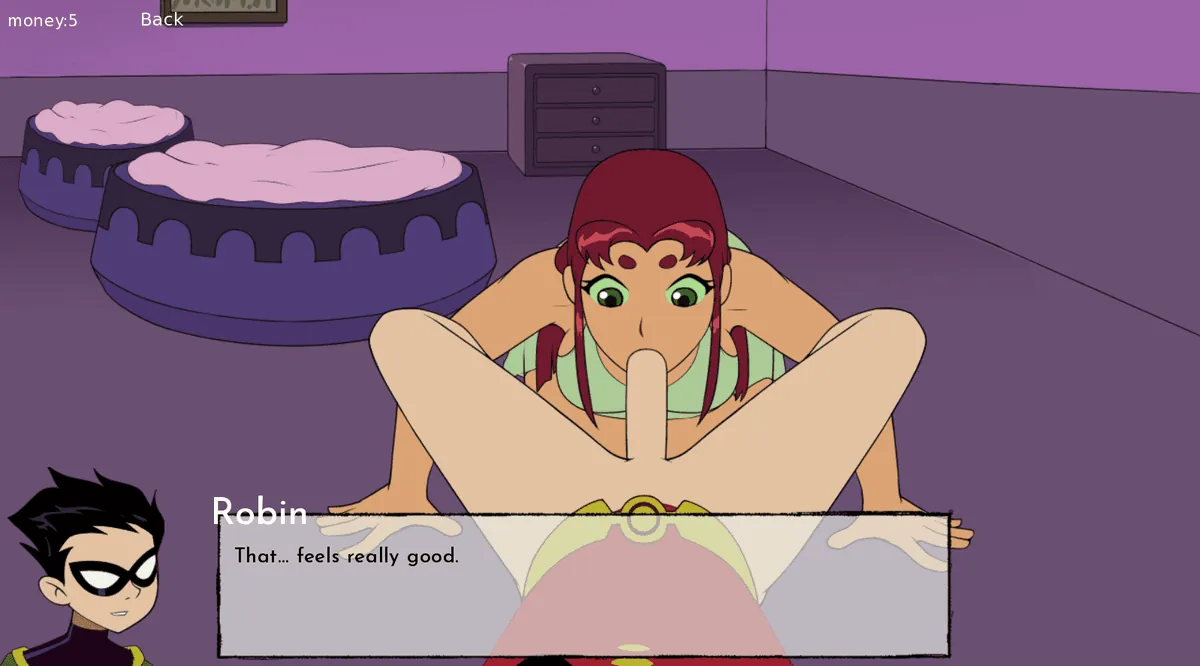
Depravity
Play Depravity
Depravity Screenshots




























Depravity review
Explore the morally complex world of Depravity and its immersive interactive experience
Depravity stands out as a provocative interactive experience that challenges players with morally complex narratives and consequential decision-making. This game immerses you in a dark, oppressive urban setting where every choice carries weight and shapes your journey through a world of competing factions and morally ambiguous characters. Whether you’re drawn to narrative-driven games or seeking an experience that prompts deep introspection, Depravity offers a thought-provoking adventure that lingers long after you’ve finished playing. Discover what makes this game’s storytelling, character dynamics, and environmental design so compelling.
Understanding Depravity’s Core Narrative and Thematic Elements
Ever found yourself sitting in the dark, controller in hand, feeling a genuine knot in your stomach because a game just asked you to make an impossible decision? That’s the unique power of a truly great narrative. It’s not about being told a story; it’s about living inside one, where your fingerprints are smudged all over the plot. This is the heart of the Depravity game narrative. It’s a descent into a world where every alleyway whispers secrets, every character hides an agenda, and every choice you make doesn’t just change the game—it changes you.
This isn’t your typical hero’s journey. It’s a raw, unflinching look at what happens when society crumbles and people are forced to reveal their true selves. The brilliance of this narrative-driven interactive experience is how it seamlessly blends its bleak world with the mechanics that drive it. You’re not just playing a game; you’re navigating a moral minefield where the only compass you have is your own compromised conscience. 🧭
The Central Themes: Power, Corruption, and Redemption
At its core, Depravity is built on three interlocking pillars that give its story immense weight. This isn’t a tale about saving the world in a gleaming suit of armor. It’s a gritty, personal struggle set against a breathtakingly realized dark urban fantasy setting. Here, the magic is grimy, the creatures are born of fear and desire, and the towering spires of a fallen metropolis cast long shadows over desperate lives.
The first theme is The Cost of Power. In Depravity, power is never free. It’s a currency paid in blood, trust, and pieces of your soul. Want to influence a powerful faction? You might have to betray a friend who trusted you. Need a rare artifact to gain an edge? It could be cursed, or its acquisition might doom an innocent community. The game constantly asks: what are you willing to sacrifice on the altar of advancement? This constant negotiation is what elevates it beyond typical moral choice games. There’s no “Paragon” or “Renegade” meter—just a series of escalating compromises that reshape your character and the world.
Then comes the internal battle: Redemption vs. Corruption. Can a person who has done terrible things for ostensibly good reasons ever be clean? The narrative expertly crafts situations where the “right” choice is muddy, and the “easy” choice is devastating. You might start with noble intentions, but the oppressive reality of the city has a way of wearing you down. The question the Depravity game narrative poses isn’t “Will you be a hero?” It’s “What kind of monster will you become to fight the other monsters?” And perhaps more importantly, is there a path back from that brink?
Finally, the game is a profound exploration of human nature under pressure. Strip away the comforts of civilization, add a dash of supernatural terror, and see what emerges. Are people inherently good, waiting to help a neighbor? Or are they self-serving survivors, ready to hoard and harm? Depravity presents a spectrum, and your interactions determine which aspects of humanity you’ll encounter most. Your kindness might inspire loyalty in a desperate soul, while your ruthlessness could awaken a darker side in someone you thought was an ally.
To see how these themes directly translate from idea to action, let’s break them down:
| Thematic Pillar | Core Question | Manifestation in Gameplay |
|---|---|---|
| The Cost of Power | What must you sacrifice to gain influence, strength, or safety? | Choosing between securing a vital weapon for yourself or giving it to a vulnerable settlement that needs protection more. The weapon makes you personally stronger (power), but keeping it may doom the settlement (cost). |
| Redemption vs. Corruption | Can you maintain your humanity, or are you doomed by your necessary evils? | After being forced to assassinate a faction leader to prevent a war, you are given the chance to frame an innocent rival. Refusing complicates your mission; agreeing simplifies it but permanently marks your soul and alters how other characters perceive you. |
| Human Nature Under Pressure | When society falls, what core traits define us? | Finding a hidden cache of supplies in a starving district. Do you share it anonymously, barter with it for information, or keep it for your own group? NPCs will react based on your observable actions, not your stated intentions. |
How Environmental Storytelling Shapes Your Experience
You can learn a lot about Depravity from its dialogue trees and quest logs, but you’ll learn even more by simply walking its rain-slicked streets and looking up. The dark urban fantasy setting isn’t just a backdrop; it’s a primary narrator. This is where the game’s interactive storytelling mechanics shine brightest, speaking to you not through words, but through atmosphere and decay. 🌃
The city itself, often called the “Graystone Maw,” is a character. Its architecture tells a story of fallen grandeur—opulent art deco facades are now cracked and defaced, and grand plazas have become crowded, dangerous marketplaces. The wealthier districts perch on high ground, literally looking down on the flooded, disease-ridden slums below. You don’t need a history book to understand the class warfare here; you just need to traverse from one neighborhood to another. The verticality of the world reinforces the themes of power and inequality constantly.
Faction territories are masterclasses in silent storytelling. Take the “Chainbreakers,” a faction of idealistic rebels. Their hideout isn’t in a sleek bunker. It’s in a repurposed public library. Books aren’t just decor; they’re stacked into barricades, used to start fires, and carefully preserved in dry corners. You’ll see murals painted over classical portraits, depicting their struggle. But look closer: some of their “liberated” supplies are stamped with logos from other struggling communities. The environment whispers that even their revolution might be built on questionable moral grounds. You understand their cause, sympathize with their plight, but also sense their hypocrisy—all before you’ve spoken to their leader.
Tip: Always slow down and observe. A child’s drawing on a wall, the specific type of debris blocking a door, or the eerie silence of a supposedly safe zone can tell you more about recent events than any NPC exposition.
Atmospheric design works overtime to make hope feel precious and every shadow feel threatening. Sound is a key player. The constant drip of water, the distant, unnerving cries of unseen creatures in the city’s depths, and the sudden silence when you’re being watched—it all builds a palpable tension. Light is used not just to see, but to feel. Patches of warm, safe light from a community hearth are rare and comforting. More often, you’re navigating by the cold, clinical glow of neon signs or the flickering, unreliable light of a handheld torch, which makes the darkness beyond feel all the more absolute and hiding. This isn’t just mood-setting; it’s a fundamental part of the narrative-driven interactive experience, making your physiological anxiety mirror your character’s.
The Role of Moral Complexity in Depravity’s Plot
Forget simple binaries. Depravity thrives in the gray, murky middle where most moral choice games fear to tread. Its plot is engineered not to provide satisfying “good guy” victories, but to force introspection and sit with you long after you’ve turned off the screen. This is where consequence-based gameplay becomes truly punishing and profound.
The moral complexity here stems from nuanced situations with real, painful trade-offs. Early on, you might encounter a scenario where a skilled but morally dubious doctor is the only one who can create a cure for a spreading plague. However, he demands a terrible price: experimental subjects from the city’s forgotten population. Do you:
* Agree, saving countless lives at the cost of a few, and becoming complicit in atrocity?
* Refuse, upholding your principles but dooming many to a gruesome death?
* Try to find a third option, which may consume precious time and resources with no guarantee of success?
There is no “correct” answer. There is only your answer, and the game will remember. The doctor’s clinic will change based on your decision. NPCs will reference the plague’s outcome—or the mysterious disappearances—in passing comments for the rest of the game. This is the engine of interactive storytelling mechanics: a world that reacts, adapts, and judges.
This design makes you constantly question your own decision-making. A choice that seemed pragmatic and necessary in Act I can have heartbreaking, unintended repercussions in Act III. You might supply weapons to a militia to help them defend their home, only to later find they’ve used those weapons to launch a brutal ethnic cleansing. The game doesn’t flash a “YOU MADE AN EVIL CHOICE” warning. It just shows you the chilling, logical outcome of your actions within this broken world. The guilt is yours alone to process. 😔
This level of narrative depth is what defines the best character-driven narrative games. Your protagonist isn’t a blank slate; they are shaped by these agonizing calls. Their relationships with companions change based on your choices. A principled ally might abandon you in disgust after a particularly ruthless decision, while a opportunistic one might draw closer. Your character’s internal monologue (if you choose to have it voiced) can grow more cynical or desperate, reflecting the toll of your journey.
Ultimately, the genius of the Depravity game narrative is its staying power. When the credits roll, you’re not just thinking about the ending you got. You’re haunted by the endings you didn’t get. You wonder about the characters you left behind, the alliances you shattered, and the small kindnesses you either offered or refused. You immediately want to dive back in, not just to “see the other content,” but to try being a different person in that same hellscape—to test whether a path of lighter corruption or harder redemption is even possible.
It creates a cycle of reflection and replayability that is rare. You’re not replaying for better loot or a higher score. You’re replaying to have a conversation with the game’s dark heart, to answer its challenging questions about power, humanity, and cost in a new way. In a landscape crowded with stories, Depravity stands apart by offering not just a tale to experience, but a moral wilderness to navigate, where every step forward leaves a permanent footprint on the path behind you.
Depravity represents a masterful blend of morally complex storytelling, deeply flawed characters, and immersive world-building that creates a truly thought-provoking interactive experience. The game’s strength lies in how it intertwines narrative, character development, and environmental design to create a world that feels alive and responsive to your choices. Rather than offering simple moral answers, Depravity challenges you to confront difficult decisions and their consequences, prompting genuine introspection about what you would do differently. The reactive faction system and oppressive urban setting ensure that every playthrough can feel distinct, encouraging exploration of alternative paths and perspectives. If you’re seeking a game that lingers in your mind long after completion—one that makes you question your own values and decisions—Depravity delivers an unforgettable journey through a dark, complex world.