
Infinite Jump Screenshots
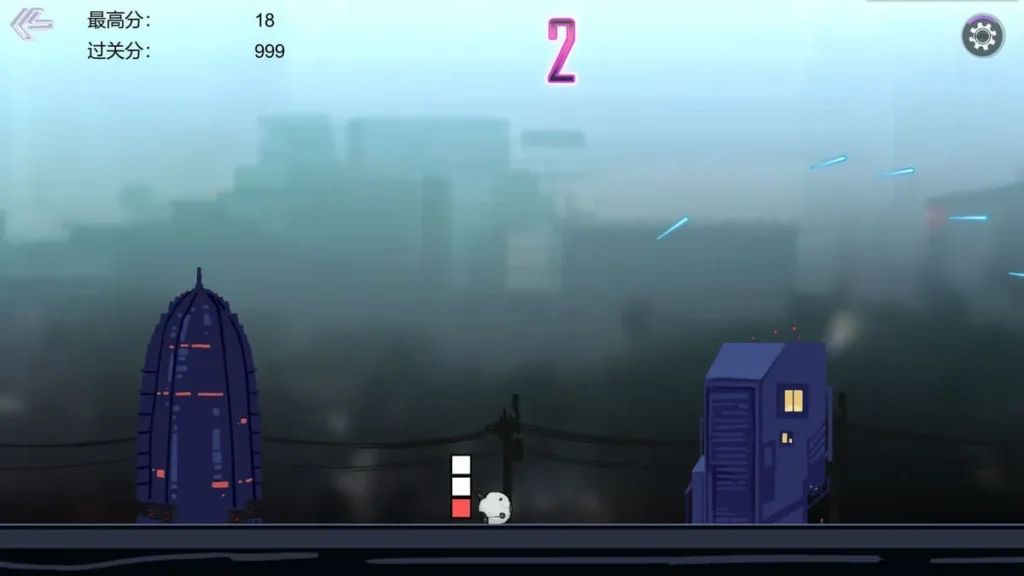
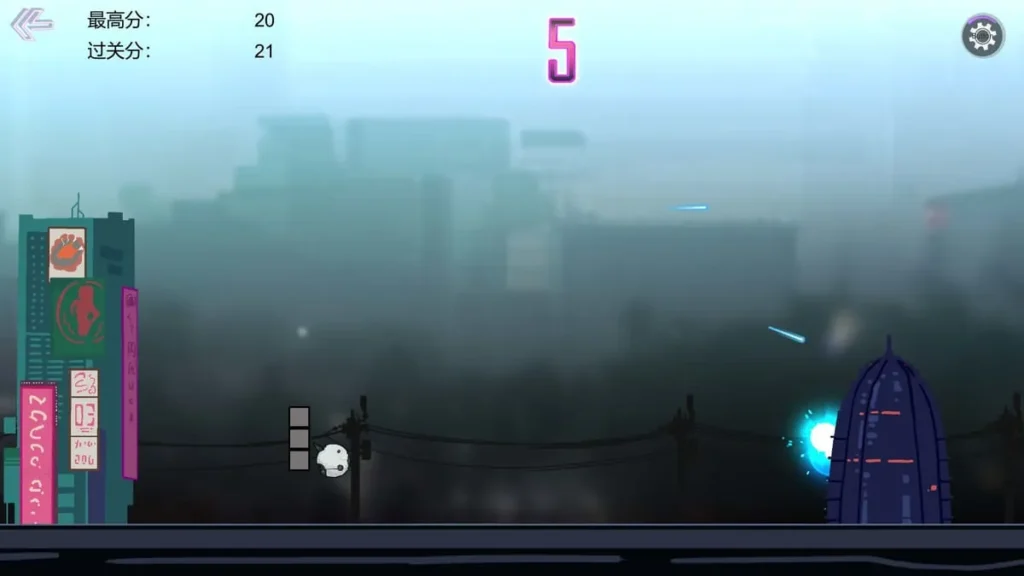

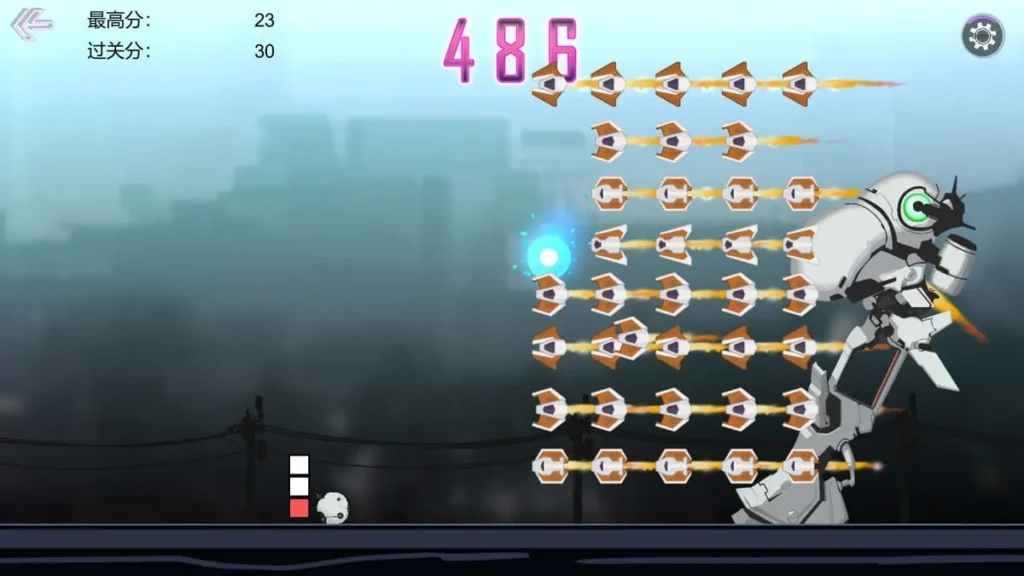


Infinite Jump review
Master Momentum Jumps and Combos in This Thrilling Game
Ever felt the rush of chaining perfect jumps in a platformer that just clicks? Infinite Jump hooked me from the first momentum-based leap, blending skill-based platforming with fluid physics that keeps you soaring endlessly. This isn’t your basic hop-and-stop game—it’s a daring mix of velocity-driven movement, combo chains, and rewarding progression. Whether you’re dodging hazards or unlocking custom looks, Infinite Jump delivers addictive gameplay. In this guide, I’ll share my personal breakthroughs, tips to nail those infinite combos, and why this game stands out. Ready to jump in?
How Does Infinite Jump Gameplay Really Work?
I’ll never forget the first time I truly “got” Infinite Jump gameplay. I was about twenty minutes in, my character a pixelated pancake for the tenth time, and I was ready to quit. I was treating it like any other platformer—tap jump, land, stop, repeat. It felt clunky and punishing. Then, in a moment of frustrated button-mashing, I accidentally leaped from a moving platform, kept holding a direction, and chained it into a wall tap and another leap. Instead of falling, I soared. My brain went, “Oh. It’s all about the flow.” That was my ‘aha’ moment. I wasn’t just pressing a jump button; I was guiding a force of nature. 🚀
This game isn’t about static hops from A to B. It’s a thrilling dance with physics, where every leap builds on the last. The core joy of Infinite Jump lies in understanding that you’re not fighting the game’s platformer physics—you’re surfing on them. Let’s break down exactly how this mesmerizing system works and how you can master it.
Unlocking Momentum-Based Jumping Secrets
At its heart, Infinite Jump is built on momentum-based jumping. This isn’t just a fancy phrase; it’s the fundamental law of your movement universe. Here’s the secret: your jump isn’t a fixed arc. Its power, distance, and trajectory are directly fuelled by your current velocity.
Think of it like this: if you’re standing still and jump, you’ll get a modest, vertical hop. Useful for precision, but not for covering ground. Now, imagine you’re sprinting to the right at full tilt. When you jump from that sprint, you don’t just hop—you launch. Your horizontal speed is converted into hang time and distance. Your character becomes a projectile, and you control the angle.
The real magic happens in the air. You aren’t locked into your initial direction. By steering left or right mid-jump, you can actively shift your trajectory. This allows for incredibly fluid, last-second corrections. See a gap widening? Nudge forward. Need to avoid a spike pit? Feather your movement back. This direct link between your ground speed, your jump timing, and your aerial control is what creates that beautiful, flowing sensation of skill-based platforming. You’re not just executing commands; you’re conducting momentum. 🎻
The game’s collision detection game mechanics are finely tuned to support this. Surfaces aren’t just binary “solid” or “not solid.” The game reads the angle and speed of your touch, allowing for those glorious, glancing blows off a wall that propel you into your next jump without breaking stride. It’s this precise detection that makes the jump combo system possible and turns potential crashes into breathtaking saves.
Mastering the Jump Combo System for High Scores
Okay, so you’re surfing the waves of momentum. Cool. But how do you turn that into a high score and pure visual spectacle? Enter the jump combo system. This is the game’s brilliant risk-reward engine and your key to topping the leaderboards.
The rule is simple, yet opens up endless complexity: your combo continues as long as you touch any valid surface before hitting the ground. “Valid surfaces” include the obvious (platforms) and the awesome (walls, enemies, even certain hazards). Landing on the ground resets your combo counter to zero.
Every surface touch within a combo adds to your score multiplier. The longer your chain, the bigger the multiplier, and the more points you rake in from everything you do. But it’s not just about numbers. Visually, the game celebrates your skill. Your character might start to glow, leave after-images, or create little shockwaves on impact. The screen pulses with the beat of your jumps. The jump combo system directly rewards aggressive, continuous, and creative movement.
Here’s a practical breakdown of how to use different surfaces:
| Surface Type | Combo Effect | Pro Tip |
|---|---|---|
| Platforms & Blocks | Standard combo extender. Resets your jump ability. | Use the very edge to maintain horizontal speed for your next launch. |
| Walls | Critical for direction changes and saving falls. A “wall tap” keeps your combo alive. | Don’t just slide down. Jump *off* it immediately to convert downward momentum into a new angle. |
| Enemies | Often gives a slight bounce boost and a juicy point bonus. | Time your jump to hit them at the peak of your arc for maximum style and safety. |
| Moving Objects | Can add their own velocity to yours for unexpected boosts. | Ride a moving platform for a second to build speed before leaping off. |
To truly master this, you need to stop thinking in terms of “jumps” and start thinking in terms of “contacts.” Your goal is to string together as many contacts as possible. Practice these actionable drills:
- Wall-Touch Practice: Find a safe corridor and practice bouncing between two walls without touching the ground. This builds the muscle memory for quick direction changes.
- Enemy Chains: In early, safer levels, use groups of enemies as stepping stones. See how many you can bounce on in one aerial sequence.
- The “No-Stop” Challenge: Pick a simple level and try to complete it without ever coming to a complete standstill. Let momentum carry you from start to finish.
“The moment your combo counter blurs into a streak of light and the world becomes a rhythm of taps, leaps, and near-misses—that’s when you stop playing a game and start performing a symphony of motion.”
Progressive Challenges That Build Your Skills
Infinite Jump is a masterclass in teaching through level design. It understands its own momentum-based jumping mechanics and carefully constructs worlds that train you to be a better player. You won’t be thrown into the deep end immediately. Instead, you’ll embark on a perfectly paced journey of progressive challenges.
It starts in wide, forgiving arenas. These are your sandboxes. Here, you fumble, experiment, and learn the basic relationship between run-up and jump distance. The floors are generous, and the pitfalls are few. The goal here isn’t to test you, but to empower you to feel the joy of movement.
Then, the corridors narrow. 🎯 Suddenly, controlling your speed isn’t just about going far—it’s about going precisely. You learn to feather your approach speed or use a tiny hop to navigate tight spaces. This is where skill-based platforming truly begins. The game is teaching you brake control.
Next, the environment itself starts to move. Moving platforms appear, forcing you to time your launch and your landing. You learn to match velocities, to jump from a moving surface and calculate where it will be when you come back down. This integrates prediction into your muscle memory.
Then come the obstacles: spinning blades that demand pixel-perfect jumps, disappearing blocks that test your memory and commitment, and wind zones that play with your platformer physics. Each new element layers onto the last. By the time you reach later stages, you’re juggling everything: building momentum on a moving platform, bouncing off a wall to avoid blades, tapping an enemy to extend your combo over a chasm of disappearing blocks, and landing on a narrow ledge—all in one seamless, heart-pounding sequence.
I remember one late-game escape that had my hands sweating. A giant crusher was closing in from the right, the floor was littered with spikes, and the only way out was up via a series of tiny, crumbling blocks. I hit the first block with maximum speed, launched upward, used a wall tap to change direction toward the next block, which disintegrated the moment I touched it. I was falling, but my combo was alive. I saw a patrol enemy below the crusher. With no time to think, I dropped onto it, got the bounce, and was propelled forward just as the crusher slammed shut where I’d been a split second before. That adrenaline rush, that narrow victory orchestrated entirely by understanding how to infinite jump through clever use of every mechanic, is the game’s greatest gift.
For new players eager to dive into this thrilling collision detection game, my final tips are these: Be brave, not cautious. Speed is your friend more often than your enemy. Practice the wall bounce until it’s second nature. And most importantly, listen to the rhythm of your jumps. When you find that flow state where you’re not thinking but feeling the momentum, you’ll have mastered the beautiful, exhilarating heart of Infinite Jump gameplay. Now get out there and build your own symphony. 🎮✨
Infinite Jump transforms simple platforming into an exhilarating flow of momentum jumps, endless combos, and skill rewards that keep you coming back. From my early struggles to chaining boss-defeating leaps without touching ground, it’s a game that rewards persistence with pure joy. You’ve got the tools now—dive in, practice those physics, customize your style, and chase those high scores. What’s your best combo yet? Share in the comments and let’s soar together!