Lessons in Love
Play Lessons in Love
Lessons in Love Screenshots




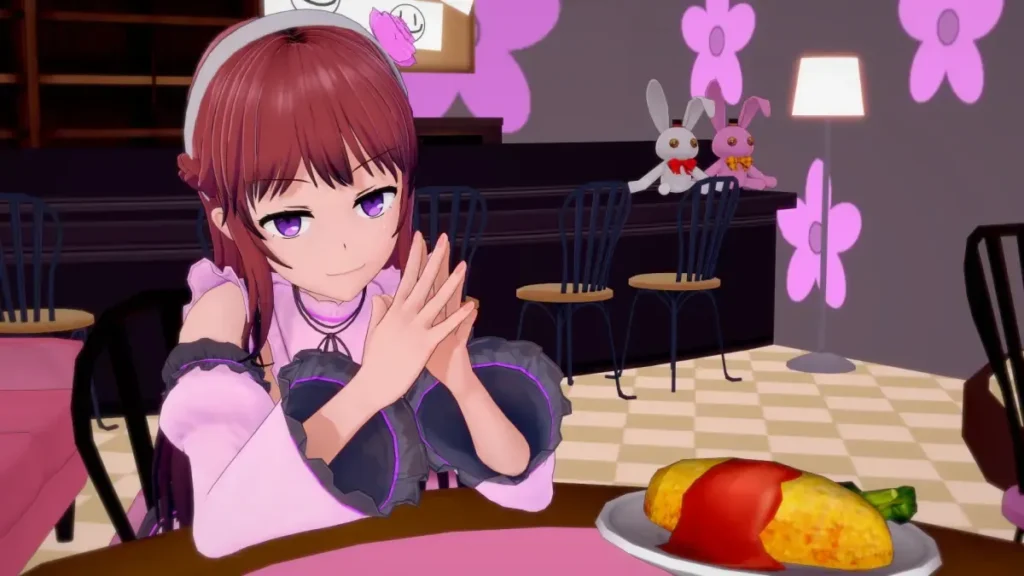
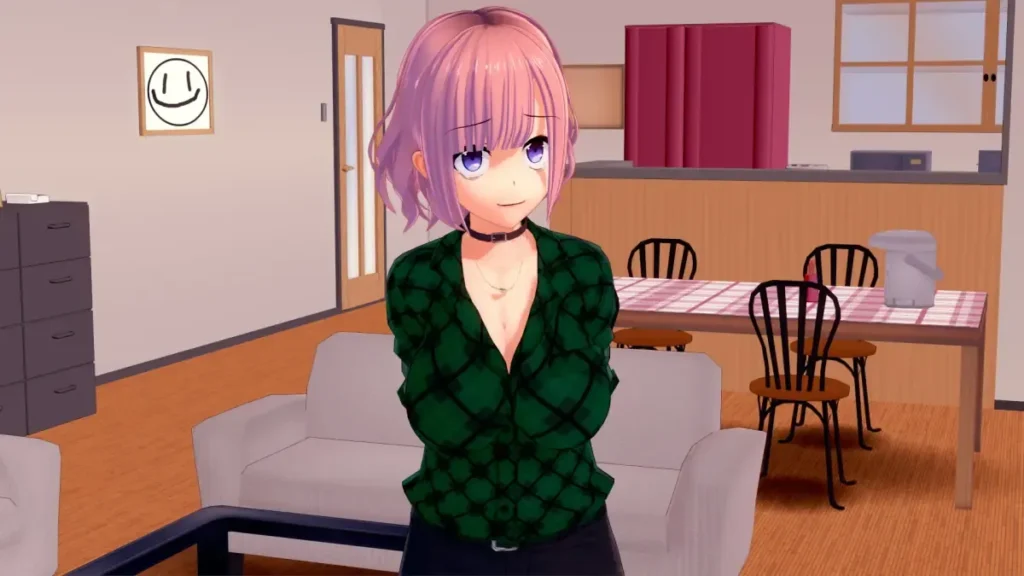
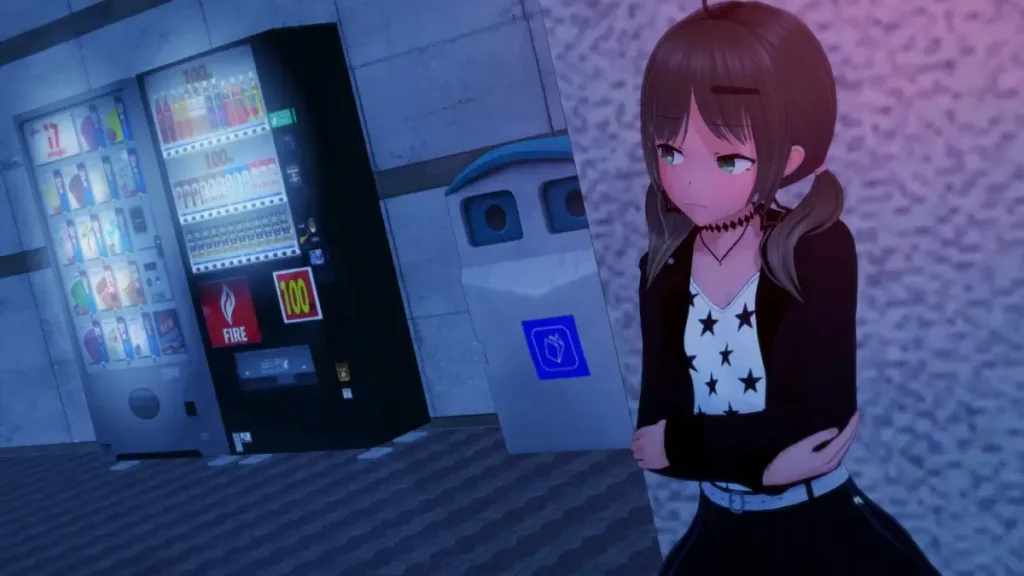


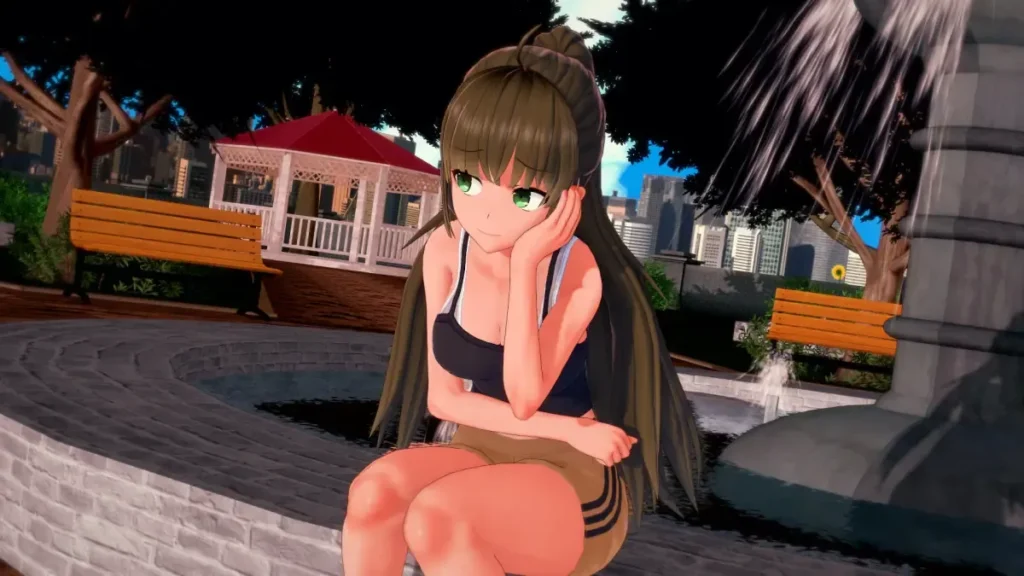






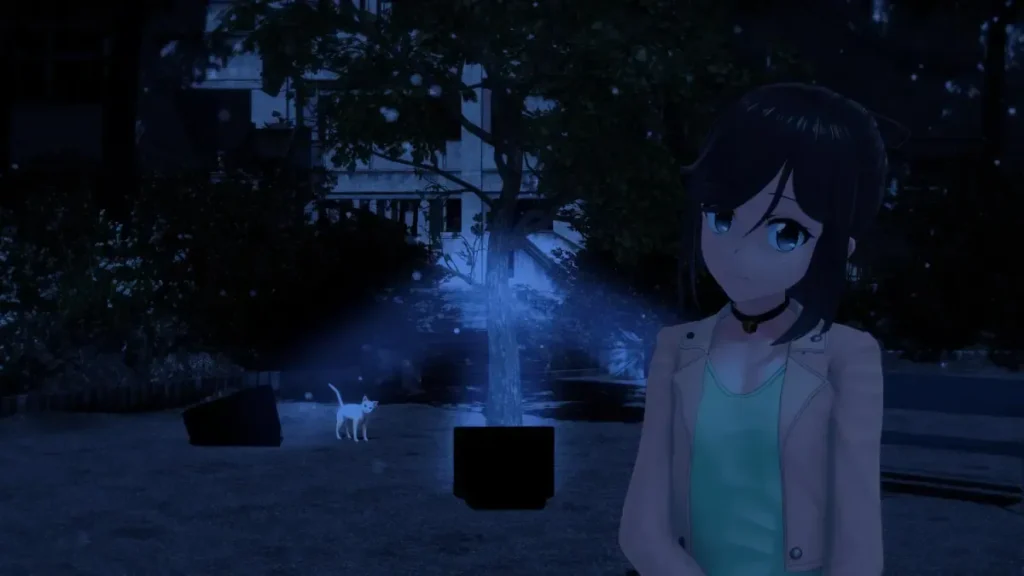
Lessons in Love review
Explore gameplay mechanics, character relationships, and story progression in this supernatural dating simulation
Lessons in Love is a unique visual novel that blends supernatural storytelling with relationship-building mechanics in a fictional Japanese city. The game follows a mysterious protagonist who awakens as a teacher in Kumon-mi, a city isolated by a barrier where most men have been conscripted into a Space War. Players navigate daily choices, build relationships with various characters, and uncover a complex narrative involving three gods and twisted religious mythology. This guide explores the core gameplay systems, character dynamics, and narrative structure that make this visual novel distinctive.
Understanding Lessons in Love: Core Gameplay and Mechanics
Ever feel like you’re just clicking through a story, waiting for the next pretty picture? 😴 That was my first worry when I booting up Lessons in Love. I expected a linear path, a few simple dialogue picks, and a predictable ending. Boy, was I in for a shock. This isn’t just a visual novel you read; it’s a intricate, living world you navigate, and every single choice you make weaves a unique thread into its vast, sometimes terrifying, tapestry. Understanding its core Lessons in Love gameplay mechanics is the difference between stumbling in the dark and orchestrating your own unforgettable saga. Let’s pull back the curtain. ✨
How the Daily Choice System Works
At its heart, Lessons in Love is a game about time, attention, and consequence. Each in-game day, you’re given a set number of action points. Think of them as your most precious currency. 💎 You’ll spend these points to travel to different locations in the city of Kumon-mi, initiating conversations, uncovering secrets, and triggering events. This isn’t a “click everywhere” adventure—you must choose who to see and where to go, often with no clear indication of what you’ll find.
I learned this the hard way. In one early playthrough, I spent three consecutive days following my favorite character, only to later discover I’d missed a crucial, one-time event with another that permanently altered her story arc. The game doesn’t hold your hand; it respects your agency, for better or worse. This dating simulation choice system is beautifully brutal. Dialogue options aren’t just about being “nice” or “mean.” They can be cryptic, philosophical, or deceptively casual, and their impact might not be revealed for hours, or even entire in-game weeks.
Pro Tip: There is no “right” choice, only your choice. The game’s narrative is designed to branch and mutate based on your priorities. Trying to see everything in one run is impossible—and that’s the point. Embrace the mystery and the misses. Your unique path is the story.
The structure creates an incredible sense of realism. You can’t be everywhere at once. Relationships develop naturally over time because you have to consciously invest your limited daily resources into them. This daily grind of choices is the engine that drives the entire Lessons in Love progression system, slowly unlocking deeper layers of the characters and the sinister lore lurking beneath Kumon-mi’s surface.
Affection Levels and Event Triggers
If the daily choices are the engine, then the visual novel affection system is the complex gearbox. 🧮 Unlike many games where a simple numerical score ticks upward, affection here is more organic and multifaceted. It’s tracked per character and represents the depth of your connection, but it’s often gated behind specific story milestones, location discoveries, and even the progress of your relationships with other characters.
Unlocking events is less about grinding points and more about fulfilling precise, sometimes obscure, conditions. This is the core of how to unlock events Lessons in Love. You might need a character at “Affection Level 3,” but that level itself might only be reachable after you’ve witnessed a certain conversation in the park on a rainy Tuesday and have purchased a specific item from the shady shop downtown. These Lessons in Love event triggers are woven into the fabric of the world.
Let me give you a case study from my own experience. I was trying to deepen my bond with a particular student. I’d maxed out our visible interactions at school and the streets. Nothing was happening. Frustrated, I started exploring locations I’d neglected and, on a whim, visited the bath house in the evening. There, I stumbled upon a completely different character’s event. That event, in turn, changed the dynamic at school the next day, which finally opened up a new dialogue path with the student I’d originally been focusing on. The “aha!” moment was incredible. 🔓
The game brilliantly uses this system to mirror how real relationships work—they don’t exist in a vacuum. Your bond with Person A is influenced by your actions with Persons B, C, and D. Paying attention to subtle cues in dialogue and exploring relentlessly are key. The Lessons in Love progression system is a puzzle where the pieces are scattered across the entire city and across all your relationships.
Navigating Kumon-mi and Available Locations
Kumon-mi isn’t just a backdrop; it’s a character in its own right. 🏙️ This fictional city, trapped behind a mysterious barrier, is your entire world. Learning its layout and rhythms is essential for mastering the game. Each location has its own mood, available activities, and roster of characters who might appear at different times of day or under specific weather conditions.
A critical part of your strategy will be building a mental map—a Kumon-mi locations guide in your mind. The school is your central hub, but the real magic happens in the town’s nooks and crannies. The porn shop (a key location for strange purchases and odd encounters), the quiet park, the bustling streets, and the serene bath house each hold their own secrets. Later, as you grow closer to the girls, their dorm rooms become accessible, offering the most intimate and revealing scenes, but only after you’ve jumped through the right affection-based hoops.
Effective navigation means planning your day. Do you spend your points checking the store for new inventory? Do you loiter on a specific street hoping a certain character passes by? Or do you head straight to the dormitory to follow up on a conversation from yesterday? There’s no fast travel. Moving costs points, making every journey a deliberate investment. This location-based exploration is fundamental to the Lessons in Love gameplay mechanics, forcing you to engage with the environment actively.
To help you get started, here’s a reference table for some of Kumon-mi’s key locales:
| Location | Primary Activities & Purpose | Key Characters Often Found Here |
|---|---|---|
| School (Classroom/Hallways) | Core story progression, daily chats, initiating main plot events. | All main student characters, the Teacher. |
| City Streets | Random encounters, casual conversations, shopping at various stores. | Varies by time and day; great for unexpected meetings. |
| The Park | Quiet, reflective events, one-on-one deep talks, seasonal changes matter. | Characters seeking solitude or a peaceful chat. |
| Bath House | Relaxation, intimate and candid conversations, often event-trigger specific. | Usually one character at a time; scenes here are significant. |
| Porn Shop | Buying unique items, triggering bizarre side events, uncovering weird lore. | The enigmatic shopkeeper, sometimes students on odd errands. |
| Dormitory Rooms | High-affection events, personal storylines, gift-giving, private talks. | Specific girl whose room you visit (requires unlocked access). |
Remember, this is just a snapshot. Part of the joy is discovering for yourself that a character who is never at the park in the spring might always be there in the fall. 🍂 Your personal Kumon-mi locations guide will evolve with every playthrough.
Frequently Asked Questions
Q: I’m terrified of missing stuff! How missable are events, really?
A: Extremely. 😅 The game is built around the philosophy of permanent consequence. Many events are only available on specific days, under specific conditions, and if you choose a different path, they vanish forever from that save file. This isn’t a flaw; it’s a design feature that makes each player’s journey unique. You will miss content. The trick is to accept it and let your curiosity drive a future replay, where you’ll make different choices and discover entirely new story branches.
Q: How do I know what the affection requirements are for an event?
A: The game rarely tells you explicitly. 🤫 The visual novel affection system is meant to be felt, not quantified on a HUD. You’ll get a sense of your rapport from the dialogue tone and the availability of new options. Often, a character will directly ask you to visit them somewhere or do something when they’re “ready” for a deeper step. Pay close attention to what they say and the game’s visual cues. Keeping a notepad handy for clues isn’t a bad idea!
Q: Can I completely lock myself out of a character’s route?
A: Yes, absolutely. This is the most important thing to understand about the dating simulation choice system. Major narrative decisions, the order in which you trigger events, and even failing to be somewhere at a critical time can permanently close off avenues with a character. Sometimes, pursuing one relationship will inherently cool another. The game doesn’t allow for a “perfect harem” route without very specific, often spoiler-heavy, meta-knowledge. Play authentically and see where your choices lead.
Q: Any practical advice for tracking my progress?
A: The in-game journal provides some basic recaps, but it’s intentionally vague. For your own sanity, consider using a simple external notepad file or the notes app on your phone. 📝 Jot down things that seem important: “Kaori mentioned the shop on Tuesday,” or “Sana seemed upset after the festival.” This self-created log will help you spot patterns and formulate theories, which is a huge part of the fun. There are also community-made guides, but using them spoils the mystery of discovery.
Mastering the Lessons in Love gameplay mechanics is a journey in itself. It asks for your patience, your attention, and your willingness to live with the results of your curiosity. Forget about winning. Focus on exploring, connecting, and uncovering the strange heart of Kumon-mi. Your story is waiting to be written, one deliberate choice at a time.
Lessons in Love stands out as a visual novel that successfully merges complex narrative elements with engaging relationship mechanics. The game’s location-based exploration system, affection-driven progression, and consequence-heavy choice system create a deeply interactive experience where player decisions genuinely shape the story. Understanding the core gameplay mechanics, appreciating the supernatural narrative framework, and strategically managing event progression allows players to fully experience what the game offers. Whether you’re interested in the character relationships, the mysterious plot involving three gods, or simply exploring the fictional city of Kumon-mi, Lessons in Love provides a rich visual novel experience that rewards careful attention to choices and relationships. Take time to explore different paths, pay attention to character dynamics, and don’t hesitate to consult event guides to ensure you experience the full scope of this unique game.