
Long Road Home
Play Long Road Home
Long Road Home Screenshots




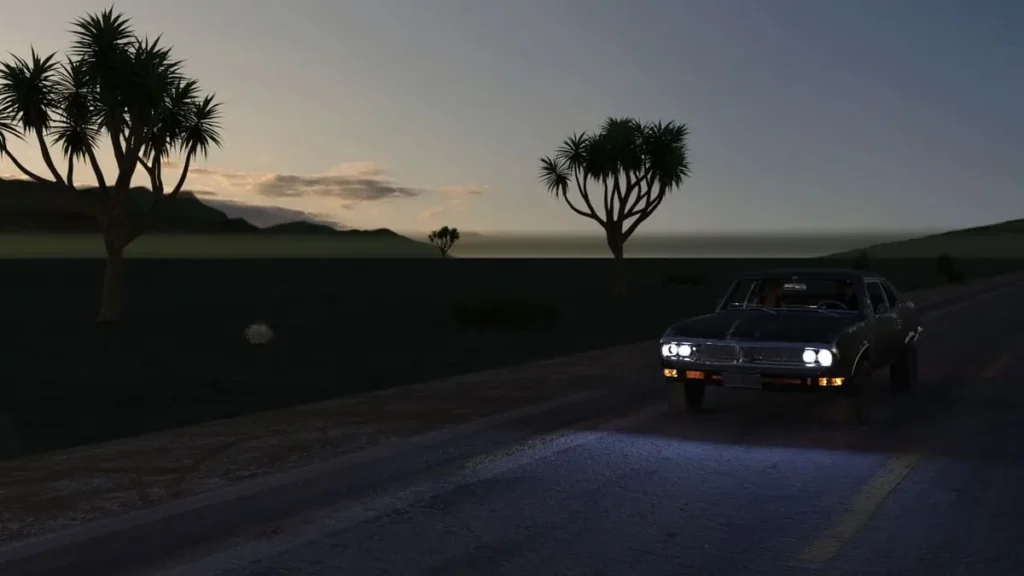










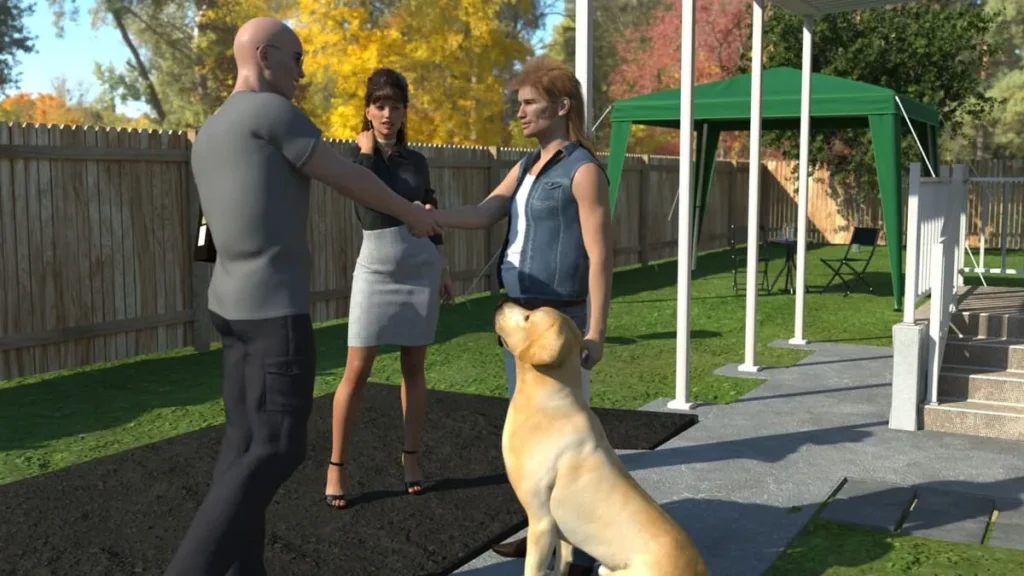










Long Road Home review
A player-focused walkthrough, choices, and tips for Long Road Home
Long Road Home is a narrative-driven adult-targeted game that blends branching choices, relationship paths, and exploration elements to create varied story outcomes. This guide dives into the game’s core mechanics, critical decision points, romance and story branches, and practical strategies to unlock scenes and endings. Whether you’re replaying to see alternate routes or playing for the first time, this article provides a player-first walkthrough, personal anecdotes from playthroughs, and actionable tips to make the most of your time with Long Road Home.
Getting Started with Long Road Home
You’ve made the choice, you’re ready for the journey, and now you’re staring at the download button. 🚀 Starting a narrative-driven game like Long Road Home is exciting, but a little preparation can transform a good first run into an unforgettable one. This guide is your friendly co-pilot, here to walk you through the technical setup, explain the lay of the land, and share the Long Road Home beginner tips that will help you savor every moment of the story.
Let’s get you from the main menu to the open road, avoiding any early potholes. 🛣️
Installation and system requirements
Before you can embark on your emotional road trip, you need to get the game on your machine. The Long Road Home installation process is generally smooth, but a few platform-specific notes are worth remembering.
Long Road Home Installation Steps:
* Purchase & Download: Whether you’re on Steam, GOG, or another platform, purchase the game and initiate the download. The file size is modest for a visual novel/RPG hybrid, so it shouldn’t take too long!
* Automatic Setup: Most platforms will handle the unpacking and setup automatically. Just let the installer do its thing.
* First Launch: Once installed, launch the game. You may be prompted to allow the game through your firewall or to install any necessary redistributables (like DirectX). Always allow these—they’re essential for the game to run properly.
* Graphics Settings: On your first launch, before hitting “New Game,” pop into the Settings menu. Here, you can adjust resolution, window mode, and texture quality to match your system. It’s the best time to do this, ensuring your initial experience is visually smooth.
Now, let’s talk hardware. You don’t need a cutting-edge rig to enjoy Long Road Home, but knowing the Long Road Home system requirements ensures you won’t face frustrating stutters during a crucial cinematic scene. Think of it as checking the oil and tire pressure before a long drive. 🧰
Here’s a breakdown of what you’ll need:
| Component | Minimum Requirements | Recommended Specifications |
|---|---|---|
| OS | Windows 10 (64-bit) | Windows 10/11 (64-bit) |
| Processor (CPU) | Intel Core i3 or AMD equivalent | Intel Core i5 or AMD Ryzen 5 |
| Memory (RAM) | 4 GB | 8 GB |
| Graphics (GPU) | Integrated Graphics (Intel HD 4000+) | Dedicated GPU (Nvidia GTX 750 Ti / AMD R7 260X) |
| Storage | 2 GB available space | 2 GB available space (SSD recommended) |
💡 Pro Tip: If your system is near the minimum specs, dialing down shadow quality and anti-aliasing in the settings can provide a significant performance boost without heavily impacting the beautiful 2D art style.
A common pitfall during Long Road Home installation is ignoring those redistributable prompts. If the game crashes on launch, it’s often because a necessary component like the Visual C++ runtime didn’t install correctly. Verifying your game files through your platform (like Steam’s “Verify Integrity of Game Files” option) usually fixes this in minutes.
Game interface and key mechanics
Alright, the game is running! 🎮 Let’s demystify the Long Road Home interface. It’s designed to be intuitive, but understanding a few key elements will help you focus on the story, not on hunting for buttons.
The main screen during gameplay is clean. Dialogue occupies the lower portion, with character portraits bringing emotions to life. Your response choices appear clearly when it’s your turn to speak. The real magic, however, is in the subtle systems working behind the scenes.
- The Main Menu: Your hub. From here, you can start a new game, continue, load a previous save, adjust settings, and view extras like the gallery or music player once you’ve unlocked them.
- Save/Load System: This is your most important tool, and we’ll dive deeper into strategy shortly. The menu is straightforward, allowing for multiple manual save slots. Use them liberally.
- Relationship Meters & Flags: Long Road Home doesn’t always slap a big number on screen. Pay close attention to character reactions—a slight change in expression, a different piece of dialogue, or a new option appearing are all relationship flags. The game remembers almost every interaction, building a unique story state for your playthrough.
- Inventory & Map: If the game features an inventory, it’s typically accessed with a keypress (like ‘I’) and is used for key story items. A map, if present, will help you navigate between locations like the diner, the motel, or different stretches of highway. Exploration is often rewarded with additional character scenes or lore.
Getting comfortable with this Long Road Home interface means you’ll spend less time figuring out how to play and more time immersed in why you’re playing—the characters and their intertwined stories. 👥
First play: pacing and save strategy
This is it—the moment you click “New Game.” How you approach these first hours is everything. My best advice on how to start Long Road Home? Be curious, be patient, and be prepared to rewind.
Pacing Your Journey: 🐢
Long Road Home is a character-driven experience. Rushing through dialogue to “progress” is the most common beginner mistake. Instead, try this approach for your first playthrough:
* Talk to Everyone: After every major story beat, check in with all available characters. Their dialogues update, offering new insights and deepening your connections.
* Explore Thoroughly: If the game gives you a quiet moment at a location, look around. Click on environmental details. You’ll often find poignant narrative descriptions or even trigger optional conversations.
* Balance Action and Reflection: The story has natural ebbs and flows. Embrace the quiet campfire chats as much as the tense roadside arguments. They are two sides of the same coin.
Now, let’s talk about the single most important Long Road Home beginner tip I can give you: your Long Road Home save strategy.
🛡️ Your Save File is Your Time Machine. Do not rely on a single autosave or quick-save. The beauty of this game is in its branching paths, and you’ll want to explore them.
Here’s my actionable save strategy:
1. Create a new manual save at the start of each major chapter or location. Name it clearly (e.g., “Start_Chapter2_Motel”).
2. Before any major decision that feels significant—a choice to trust someone, to share a secret, or to take a risky action—create a new manual save. This is your decision point bookmark.
3. Keep a rotating set of 2-3 “ongoing” saves that you overwrite regularly as you play, in case your most recent save becomes corrupted (it’s rare, but it happens).
This strategy exists for one glorious reason: experimentation without penalty. On my very first playthrough, I reached a critical juncture with two travel companions, Kai and Jess. A tense situation demanded I side with one, fundamentally altering my relationship with the other. I made my choice, saved, and played on for another hour, but the story felt… wrong. The group dynamic I loved was fractured.
Because I had a manual save from just before that choice (named “Pre-River_Argument”), I could go back. I reloaded, made the opposite choice, and discovered a completely different, and for me, more satisfying narrative branch that eventually led to a romance path I didn’t even know was possible. That single save file didn’t just prevent lost progress; it unlocked a whole other story I would have missed. ❤️🔥
Common Beginner Mistakes & How to Avoid Them:
* Mistake: Speed-clicking through dialogue.
* Fix: Enable auto-advance text in settings and set a comfortable speed. Let the voice acting (if present) and mood sink in.
* Mistake: Trying to “game” every relationship choice to max out a meter.
* Fix: Play authentically. Choose what you feel is right for your character. The most compelling stories often come from imperfect, human choices.
* Mistake: Using only one save file.
* Fix: You know the drill now! Embrace multiple saves as part of the fun.
Starting Long Road Home with this mindset—technically prepared, interface-aware, and strategically patient—sets the stage for a profoundly personal adventure. Your Long Road Home save strategy is the key to unlocking the game’s reactive narrative, and those early hours of careful pacing are where you’ll form the bonds that make the journey matter. Now, get out there and hit the road. Your story is waiting. 🌅
Long Road Home rewards careful choices, attention to relationship triggers, and thoughtful save management; with the strategies and walkthroughs above you can experience all major routes and endings without guesswork. Use the day-by-day checklist and character table to plan runs, keep branching saves at key moments, and replay with a clear route order to minimize repetition. If you’re stuck, revisit the mid-game branching section or restore an earlier save to explore an alternate path—happy exploring and enjoy the storytelling.