My Maid Dreams of Electric Sheep
Play My Maid Dreams of Electric Sheep
My Maid Dreams of Electric Sheep Screenshots


My Maid Dreams of Electric Sheep review
Exploring the Dark Narrative and Emotional Depth of This Indie Title
My Maid Dreams of Electric Sheep stands out as a distinctive indie narrative experience that challenges players with its dark, introspective storytelling. This game immerses you in a dystopian world where the protagonist navigates a psychologically complex existence filled with existential themes. Rather than offering escapism, the game deliberately maintains a somber atmosphere that reflects the internal struggles of its main character. If you’re interested in narrative-driven games that explore psychological depth and unconventional storytelling, understanding what this title offers is essential. This guide breaks down the game’s core elements, character routes, and what makes it a unique experience in the indie gaming landscape.
Understanding the Game’s Core Narrative and Atmosphere
Let’s be honest, we’ve all played games that promise a “deep, emotional story” only to serve us something as substantial as a paper plate. 😒 You finish it, shrug, and move on, the experience fading from memory before the credits stop rolling. Then, every once in a while, a game like My Maid Dreams of Electric Sheep comes along. It doesn’t just tell a story; it sews that story into your subconscious with rusty needles and leaves it there to throb. This isn’t your typical visual novel—it’s a meticulous, unsettling dive into a broken mind within a broken world.
The genius of the My Maid Dreams of Electric Sheep narrative is how it refuses to let you be a passive observer. You are immediately complicit, thrust into the role of a protagonist whose reality is as stable as a house of cards in a hurricane. 🌀 This chapter is your guide through that storm. We’ll peel back the layers of its dystopian game setting, trace the fragile threads of its character routes and progression, and understand how it masterfully maintains its crushing atmosphere without ever pushing you away. This is a masterclass in indie game dark storytelling, and we’re about to dissect why it works so brilliantly.
The Dark Psychological Setting and Thematic Elements
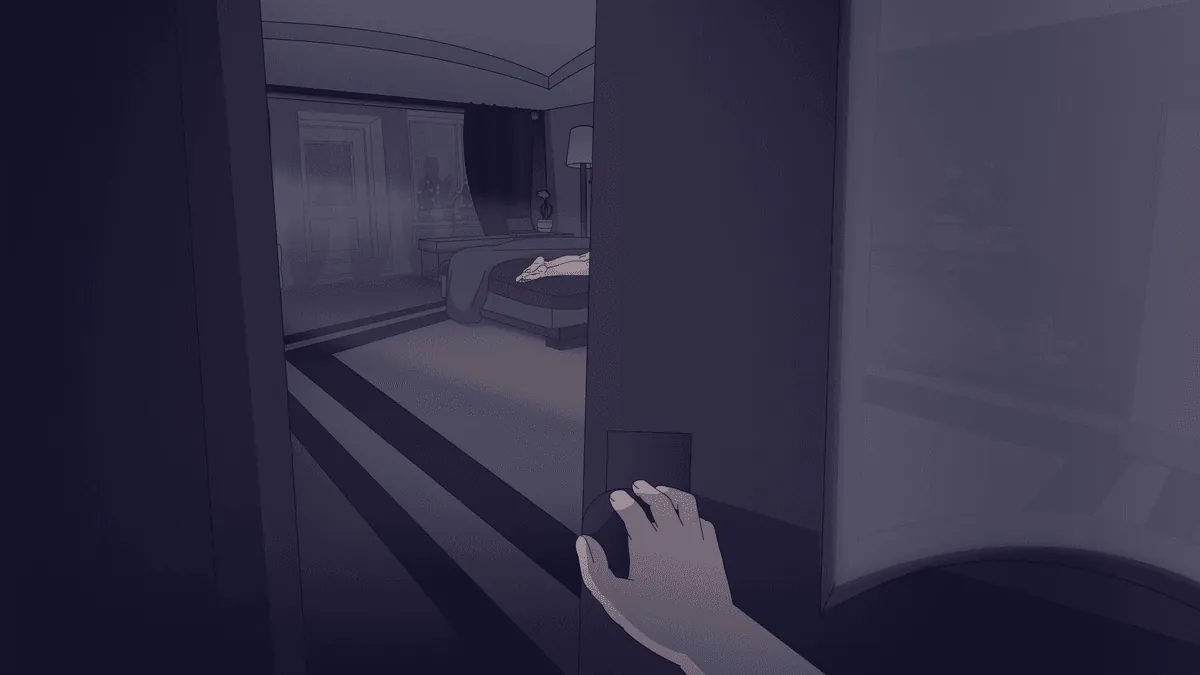
From the moment you boot up the game, the atmosphere is a palpable weight on your shoulders. 🏙️✨ The setting isn’t just a backdrop; it’s a character in itself, a bleak, rain-slicked cityscape that perfectly mirrors the protagonist’s internal chaos. This world is one of profound disconnect—where androids serve as emotional crutches for a society that has forgotten how to feel, and the line between human and machine, sanity and delusion, is blurred beyond recognition.
This dystopian game setting does more than just look pretty (or, more accurately, beautifully grim). It actively reinforces every psychological theme in games that the narrative explores. The city’s cold, impersonal architecture echoes the protagonist’s emotional isolation. The omnipresent technology, meant to connect, only highlights a deeper, more profound loneliness. You’re not just navigating city streets; you’re navigating a mental landscape riddled with anxiety, paranoia, and existential dread.
Think of the setting as an externalized version of the protagonist’s psyche. The crumbling buildings? That’s their crumbling sense of self. The perpetual rain? A constant wash of depressive thoughts. Nothing in this world is accidental; every detail serves the My Maid Dreams of Electric Sheep narrative.
The game’s handling of mature themes is neither gratuitous nor glamorized. It treats emotional trauma, dependency, and the search for identity with a raw, unflinching honesty that is rare. This isn’t shock value; it’s psychological excavation. As you make choices—often between bad and worse options—you’re forced to confront uncomfortable questions about what makes us “real,” the ethics of artificial companionship, and the lengths we go to escape our own minds. The indie game dark storytelling here succeeds because it respects the intelligence and emotional capacity of the player, trusting you to sit with the discomfort it creates. 😟
Character Development and Route Progression
If the setting is the stage, the characters are the heartbreaking play performed upon it. My Maid Dreams of Electric Sheep excels in its character routes and progression, offering paths that feel less like branching storylines and more like intimate, often painful, case studies in human (and non-human) connection. Each route you choose doesn’t just change a few dialogue options; it fundamentally alters the lens through which you view the protagonist’s crumbling reality and their relationship to the world.
The characters you meet are all deeply flawed, carrying their own baggage that tangles with yours. Pursuing a route is an exercise in mutual (and sometimes destructive) exploration. You’re not “winning” a character over with a series of correct choices. Instead, you’re navigating a minefield of their trauma and your own, with every decision potentially leading to a moment of profound connection or catastrophic misunderstanding. This makes the progression feel earned and emotionally significant.
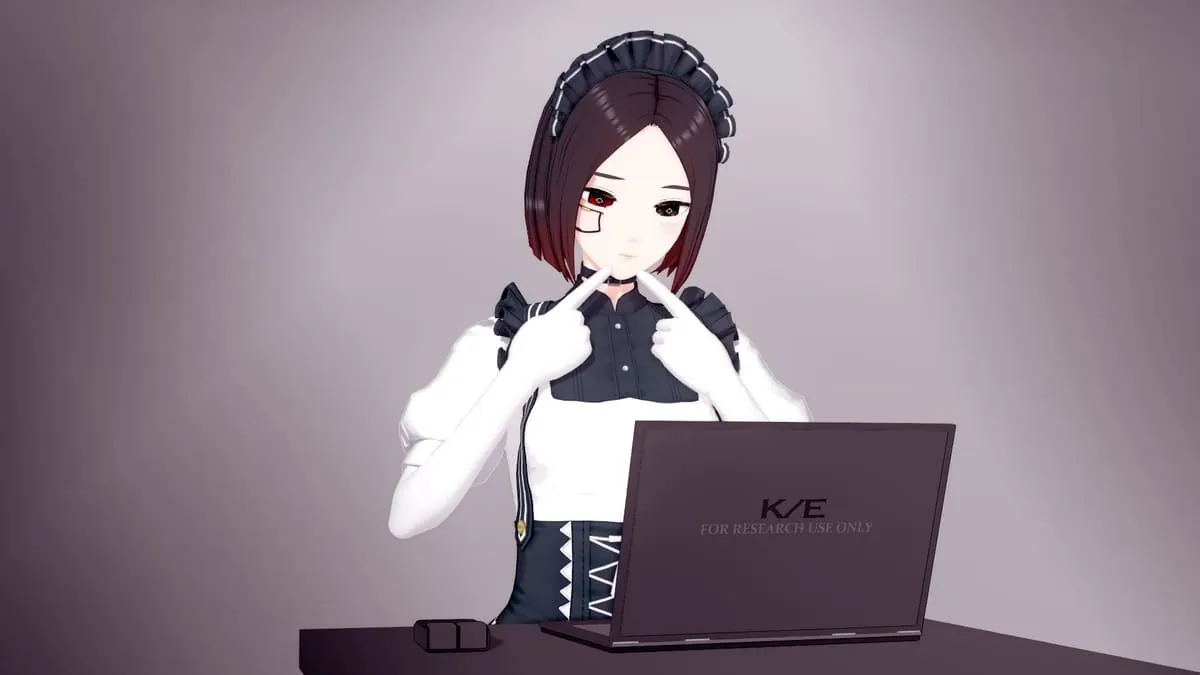
A standout in this system is the Yiu route My Maid Dreams path. Recently reworked, this route has evolved from an intriguing side story to what many consider the narrative’s emotional core. Yiu’s story is a complex tapestry of past regrets, present struggles, and a fragile hope for redemption. The rework added depth and nuance, transforming her path into a more intricate dance between two damaged people trying to decide if they can be each other’s salvation or if they’ll simply become each other’s ruin. Exploring the Yiu route My Maid Dreams offers now is essential for anyone seeking the full, devastating picture the game paints.
Here’s a quick breakdown of what defines the major paths and their central conflicts:
| Character Route | Core Narrative Focus | Type of Emotional Journey |
|---|---|---|
| The Yiu Route | Redemption, shared trauma, and building something real from past wreckage. | A grueling but potentially healing climb out of a shared emotional abyss. |
| The Maid (Android) Route | Artificial consciousness, the nature of love, and the ethics of programming affection. | A surreal and existential inquiry into what defines a “person” and a “relationship.” |
| Alternative Character Routes | Often explore specific facets of the protagonist’s psyche or the city’s darker corners. | Can range from bittersweet companionship to stark, cautionary tales about dependency. |
This focus on deep, character routes and progression is what elevates it among other narrative-driven indie games. Your choices in dialogue and action feel monumentally important because they directly shape these fragile, evolving relationships, leading to endings that can feel hopeful, bleak, or hauntingly ambiguous.
Frequently Asked Questions About the Game’s Narrative & Paths
- Q: How long does it take to see all the story content?
A: As a true narrative-driven indie game, your first complete playthrough might take 6-10 hours. However, to experience all major character routes and progression, including the reworked Yiu route My Maid Dreams, you’re looking at 25-30 hours of playtime with multiple saves and replays. - Q: Is there a “true” ending?
A: The game challenges the very idea of a singular “true” ending. Each route concludes with an ending that is valid for that specific relationship and set of choices. Some provide more closure than others, but all serve the psychological themes in games that the story explores. - Q: How heavy are the mature themes?
A: They are integral and handled with gravity. The game deals directly with psychological themes in games like severe anxiety, depression, and traumatic experiences. It’s emotionally demanding and includes content that many players will find deeply affecting. - Q: Do my choices actually matter, or is it linear?
A: Choices matter immensely in shaping relationships and triggering route-specific events. Early decisions can lock or unlock entire character paths, and dialogue choices directly influence character trust and the story’s direction, making each playthrough uniquely personal.
How the Game Balances Tone and Player Engagement
This is perhaps the game’s most delicate magic trick. A story this relentlessly grim could easily become a slog, an emotional weight too heavy to carry for its entire duration. Yet, My Maid Dreams of Electric Sheep never loses its grip on the player. It masters a precarious balance, using its narrative pacing like a skilled conductor uses silence—to make the next note hit even harder. 🎭
The pacing is deliberate, almost methodical. It gives you moments of quiet, of “normal” routine with your maid or mundane tasks in the city. These aren’t filler; they’re the calm before the storm, allowing you to build a fragile sense of routine or connection. This makes the subsequent psychological dives or narrative shocks feel more impactful because you have something to lose. You’ve experienced a glimpse of stability, making its dissolution all the more terrifying. This careful control of rhythm is a hallmark of expert indie game dark storytelling.
Furthermore, the game isn’t afraid of contrast. Amidst the gloom, you’ll find sparks of genuine, often dark, humor and fleeting moments of warmth. A wry observation from a character, a surprisingly tender gesture, or an absurd situation arising from the dystopian setting can provide crucial relief. But crucially, these moments don’t undermine the tone; they serve it. They highlight what’s at stake—the humanity and connection that the oppressive world seeks to crush. They make the darkness feel more real by showing you what it’s constantly threatening to extinguish.
Player engagement is maintained through this constant, low-grade tension and the compelling mystery of the protagonist’s own mind. You’re not just watching a story unfold; you’re actively piecing it together. Scattered notes, cryptic dreams, and shifting dialogue options force you to become a detective in your own psychology. The My Maid Dreams of Electric Sheep narrative trusts you to fill in blanks and question everything, including the reliability of what you’re seeing and hearing. This active participation in uncovering the truth—about the world and yourself—is what transforms the experience from passive watching into immersive, unforgettable engagement.
Player Experience Examples: Choices and Consequences
Let’s look at how specific choices can ripple through the My Maid Dreams of Electric Sheep narrative, creating vastly different emotional experiences. Remember, these aren’t spoilers for major plot points, but illustrations of its dynamic storytelling.
-
Example 1: Handling a Panic Attack
- Choice A (Comfort): You choose dialogue focused on reassurance and physical presence. This might deepen a bond with a character like Yiu, who responds to direct empathy, potentially unlocking a more intimate scene later where she shares a vulnerable memory. It reinforces a theme of mutual support.
- Choice B (Distance): You choose to give space or use logic to defuse the situation. This might please a character who values self-sufficiency, but could cause Yiu to retreat, viewing you as cold. It may lead to a route where emotional walls remain higher, changing the trajectory of your connection.
- The Narrative Outcome: This single moment doesn’t just affect a “affection points” counter. It writes a tiny chapter in the story of your relationship, defining whether you’re building a bridge or a wall. It directly shapes the character routes and progression.
-
Example 2: Interacting with the Dystopian City
- Choice A (Engage): You stop to talk to a lonely street vendor or investigate a strange, glitching advertisement. This could unveil a side story that enriches the world-building, provide a key item, or trigger a haunting random event that underscores the game’s psychological themes in games.
- Choice B (Ignore): You head straight to your destination. The world remains a blur of rain and neon, a impersonal maze. You might progress the main plot faster, but the city stays as an anonymous, oppressive force. You miss opportunities to understand its sadness, which can make certain late-game revelations feel more abrupt or less earned.
- The Narrative Outcome: The game rewards curiosity about its dystopian game setting. Your engagement with the environment itself is a choice that flavors the entire narrative, making it feel lived-in and responsive to your level of investment.
Ultimately, My Maid Dreams of Electric Sheep stands as a towering achievement in narrative-driven indie games because it understands that true emotional depth isn’t just about presenting dark themes—it’s about making you feel their weight, their complexity, and their terrifying relevance. It weaves its psychological themes in games into every pixel of its world and every line of its dialogue. Whether you find yourself on the harrowing, reworked Yiu route My Maid Dreams or another path, you are guaranteed an experience that is less about “playing a game” and more about surviving, understanding, and ultimately feeling a story that will linger long after you’ve put down the controller. It’s a challenging, essential journey for anyone who believes in the power of interactive storytelling.
My Maid Dreams of Electric Sheep represents a bold approach to indie game development, prioritizing psychological depth and narrative authenticity over conventional entertainment formulas. The game’s commitment to maintaining its dark atmosphere while exploring complex character relationships creates a memorable experience for players seeking meaningful storytelling. Whether you’re drawn to its introspective themes, character-driven narratives, or unique artistic vision, this title offers substantial content that rewards engagement and reflection. If you appreciate games that challenge emotional boundaries and explore the human condition through interactive storytelling, My Maid Dreams of Electric Sheep deserves your attention. Explore the different character routes, experience the recent updates, and discover why this indie title has resonated with players who value narrative complexity and artistic integrity.