
Project QT Screenshots


Project QT review
Explore the mechanics, customization options, and engaging combat systems of this adult-oriented visual experience
Project QT stands out in the adult gaming landscape as a title that combines engaging gameplay mechanics with extensive customization options. This game has garnered attention for its evolving combat systems and visual presentation, offering players a unique blend of interactive entertainment and strategic gameplay. Whether you’re curious about what makes this title distinctive or looking to understand its core mechanics, this guide provides an in-depth exploration of Project QT’s features, gameplay elements, and what keeps dedicated players engaged. Understanding the game’s systems and offerings can help you determine if it aligns with your gaming preferences.
Understanding Project QT’s Core Gameplay Mechanics
So, you’ve downloaded Project QT, maybe intrigued by the promise of a unique blend of gameplay and visual storytelling. You open it up, and suddenly you’re faced with more than just a linear narrative. There’s combat, character screens, upgrade paths, and choices that seem to impact your journey. It can feel overwhelming at first! I remember my first week playing; I was so focused on one aspect that I completely ignored vital Project QT gameplay mechanics, which totally stalled my progress. 😅
Let’s fix that. This guide will strip away the confusion and dive deep into the systems that make this game tick. We’ll explore how the strategic combat works, how you can shape your own experience through deep customization, and what interactive elements keep you coming back. Think of this as your roadmap to not just playing, but mastering the engaging world of Project QT.
Combat Systems and Strategic Gameplay
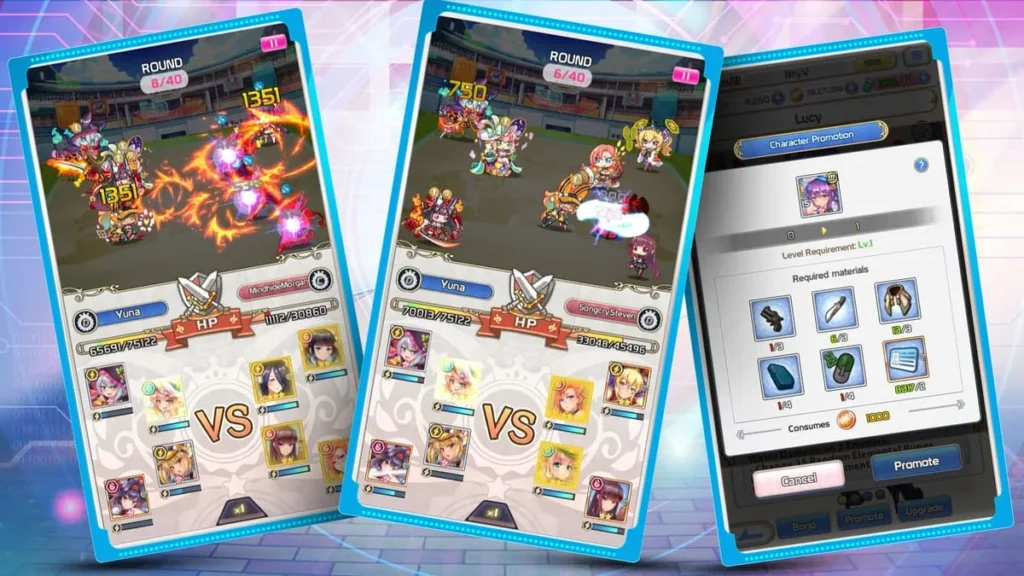
At its heart, Project QT is more than a passive experience. Its combat systems in Project QT provide a surprising layer of tactical depth that forms the backbone of player engagement. This isn’t just about tapping a button to win; it’s about resource management, timing, and building a synergistic team.
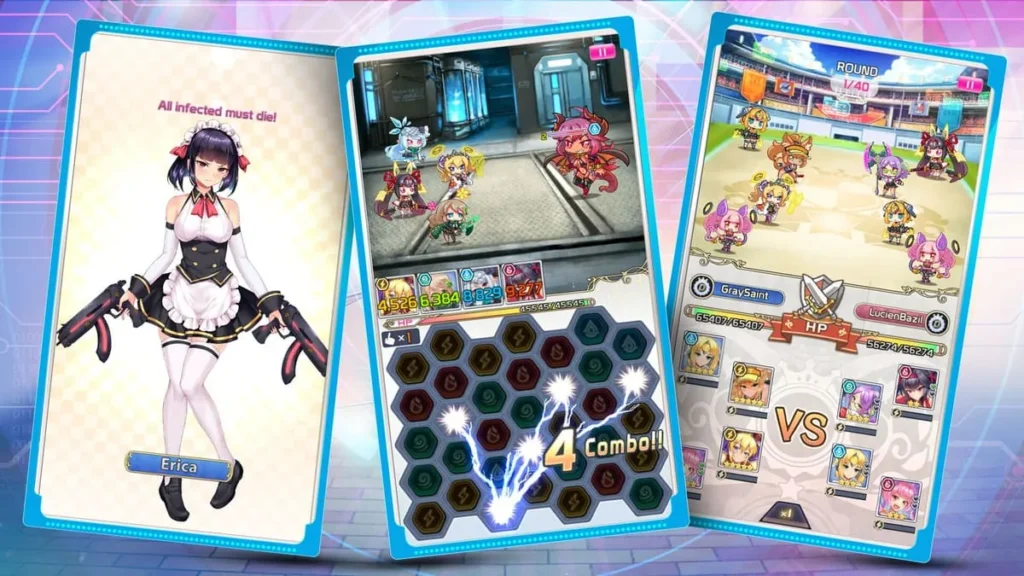
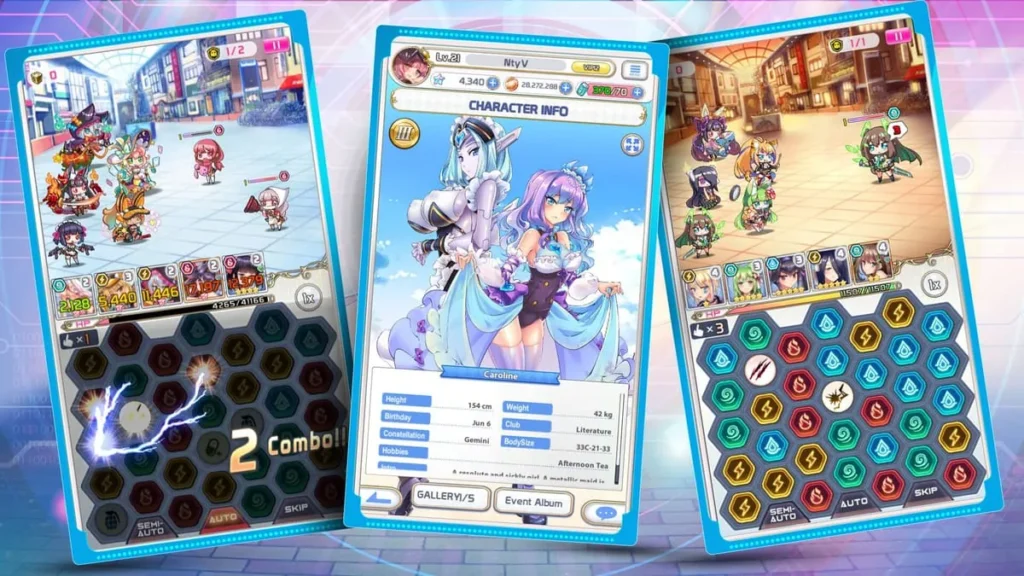
The core loop involves assembling a team of characters, each belonging to one of several elements (like Water, Fire, Forest). These elements exist in a classic “rock-paper-scissors” relationship, adding an immediate layer of strategic gameplay in adult games. Sending a Fire team against a Forest opponent gives you a significant damage advantage, making pre-fight planning crucial. It forces you to think ahead and build a diverse roster rather than just relying on one favorite character.
But the real magic happens during the battle itself. Combat is turn-based, with each character generating Skill Points (SP) over time. This is where interactive gameplay elements shine. You don’t just watch—you actively decide when to unleash a character’s powerful special skill. Do you fire off a heal immediately to keep your tank alive, or do you wait a turn to unleash a devastating area-of-effect attack? These micro-decisions in every fight keep you engaged and on your toes.
Pro Tip: Always check the enemy team’s elements before a major battle. Swapping one character to exploit an elemental weakness can be the difference between a smooth victory and a frustrating loss.
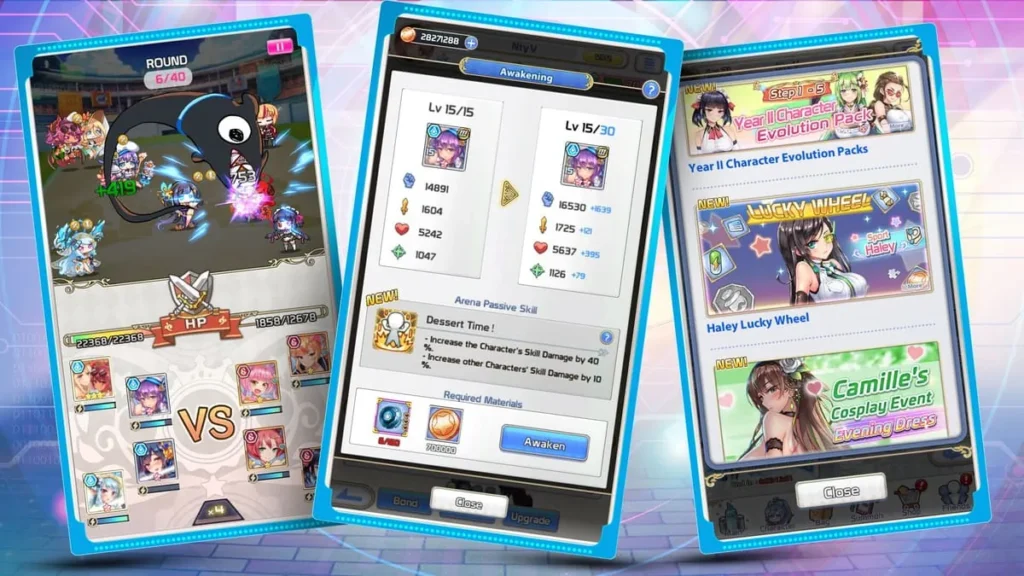
The combat mechanics evolve significantly as you progress. Early on, basic attacks and the occasional skill use will carry you. Later, you’ll unlock and need to master “Awakening” skills and combo potentials between specific characters. This evolution ensures the combat systems in Project QT remain fresh and challenging, constantly asking you to adapt your strategies and invest in new team compositions.
Here’s a breakdown of how different combat mechanics influence your journey:
| Combat Mechanic | How It Works | Impact on Gameplay Progression |
|---|---|---|
| Elemental Affinity | Fire beats Forest, Forest beats Water, Water beats Fire. Light and Dark damage each other. | Forces team diversity and strategic planning for story chapters, PvP Arena, and special events. It’s the foundation of all strategy. |
| Skill Points (SP) & Active Skills | Characters generate SP each turn. When full, you manually activate a powerful unique skill. | Adds a layer of active player control and timing. Mastering skill rotation is key to beating tougher opponents and bosses. |
| Character Positions (Tank, Damage, Support) | Frontline characters take more damage. Placing a “Tank” type here protects your damage dealers in the back. | Essential for surviving prolonged battles. Incorrect positioning will cause your main damage sources to fall quickly, halting your progress. |
| Awakening & Combo Skills | Advanced upgrades that unlock new, more powerful skills or combined attacks between specific character pairs. | This is the end-game depth. It encourages investment in specific team synergies and completely changes high-level battle dynamics. |
Customization Options and Player Progression
If the combat is the engine, then Project QT customization options are the steering wheel, paint job, and nitro boost all in one. This is where you truly make the game your own, and it’s directly tied to your Project QT player progression. The game cleverly intertwines the two, so your desire to customize directly fuels your advancement.
Let’s start with the most visual aspect: the character customization features. While you don’t change a character’s core personality, you have immense control over their power and presentation. You level them up, promote their star rating, and equip them with gear that changes their stats and visual appearance on the battle screen. Each character also has an intimate “Scene” that can be unlocked and upgraded, which often provides permanent stat boosts for that character—a perfect example of how different gameplay systems are woven together.
Your player progression is gated and guided by these customization systems. You can’t just brute-force your way through the story; you need to stop, farm materials, and strengthen your team. This creates a satisfying loop: fight to get resources -> use resources to customize/strengthen -> use your stronger team to fight tougher enemies for better resources. 🎮
The customization options extend beyond individual characters to your overall gameplay preferences. Your “Research Lab” allows you to invest in permanent, account-wide upgrades for all your characters of a specific element. This means your choices in what to research first can define your entire strategic focus for weeks. Are you building a dominant Fire team? Then sink your resources into Fire research. This meta-layer of customization adds incredible long-term depth.
Here are the key customization features and how they shape your experience:
* Character Level & Promotion: The basic power grind. Higher levels and stars unlock new skills and dramatically increase stats, directly determining which story chapters and events you can tackle.
* Equipment & Costumes: Gear provides stat boosts and, at higher tiers, visual changes. Some rare costumes offer unique bonuses, making them coveted goals for dedicated players.
* Intimacy & Scene Upgrades: A core interactive gameplay element that rewards you with character-specific stories, voice lines, and crucial stat increases. It’s a personalization driver that makes you invest in your favorite characters.
* Research Lab: This is where you enact long-term strategy. The buffs you choose here (e.g., increased HP for all Water types) shape your entire team-building approach and are vital for late-game content.
Your Project QT player progression is a testament to all these systems working in concert. Your player level rises as you spend stamina, unlocking new game modes and higher daily rewards. Every choice in customization feeds back into your ability to progress, creating a deeply satisfying sense of growth that’s both personal and powerful.
Interactive Features and Player Engagement
What truly separates a good game from a great one is how it makes you feel involved. Project QT excels here by embedding interactive gameplay elements into nearly every aspect of the experience. This isn’t a movie you occasionally tap through; it’s a world you actively participate in building and influencing. ✨
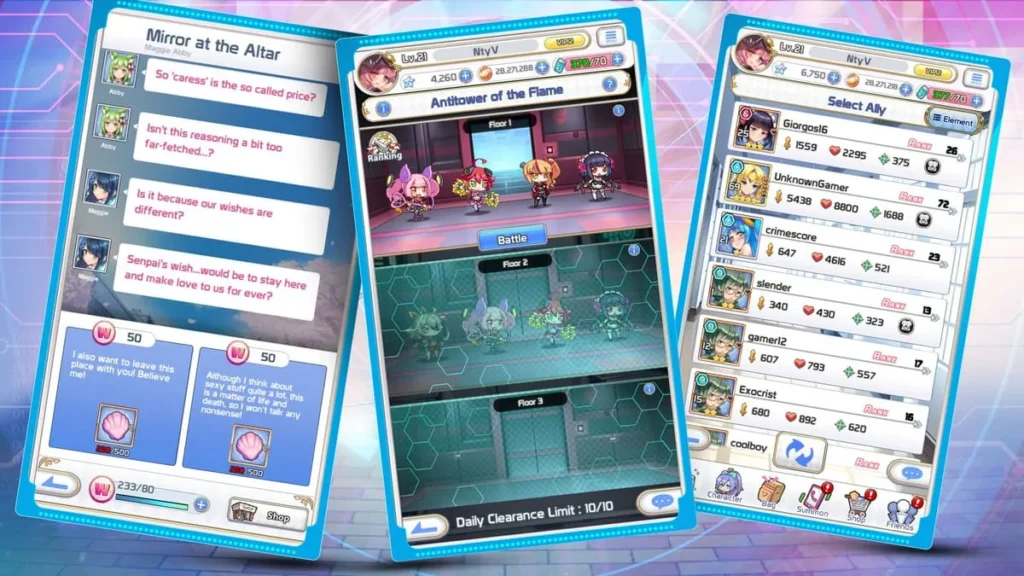
The most obvious interactivity is with the characters themselves. Beyond battles, you can visit them in your dormitory. Here, you can give gifts, engage in light conversations, and unlock those all-important intimate scenes. This direct, choice-driven interaction builds a connection that makes you care about powering up your team. It transforms them from mere stat sheets into characters you’re invested in. This feedback loop of “interact -> grow closer -> get stronger -> unlock more interaction” is incredibly compelling.
Then there’s the puzzle aspect—a signature interactive gameplay element of Project QT. Certain modes present you with a grid of tiles that need to be matched. Success here rewards you with currencies and items critical for player progression. It’s a brilliant way to break up the combat rhythm, engage a different part of your brain, and make resource farming feel active and rewarding rather than a passive chore.
The game also keeps you engaged with a constant, rotating calendar of events. These aren’t just re-skinned battles; they often introduce unique mechanics, special story snippets, and limited-time rewards. Participating requires you to adapt your strategies and often work on specific characters, which drives you back into the customization systems. It’s a dynamic ecosystem that prevents the gameplay from ever getting stale.
Finally, the strategic layer of managing your resources—stamina, upgrade stones, gold, gems—is an interactive puzzle in itself. You must decide daily: do I use my stamina to push the story, farm gear, or grind event points? Should I spend gems on character summons or save them for a powerful costume? This constant, low-level strategic planning makes even the “downtime” in the game feel engaging and purposeful.
Ultimately, the Project QT gameplay mechanics form a brilliant, cohesive whole. The strategic gameplay in adult games reaches a notable depth here, proving that engaging mechanics and thoughtful design can exist in any genre. The combat systems in Project QT give you a challenge to master, the vast Project QT customization options and character customization features allow you to build a team that reflects your strategy, and the myriad interactive gameplay elements ensure you’re always making meaningful choices. All of this is neatly tied together by a clear and rewarding system of Project QT player progression. It’s this synergy that transforms Project QT from a simple diversion into a deeply engaging and strategic experience that keeps players invested for the long haul. 🏆
Project QT represents a distinctive entry in adult gaming by prioritizing engaging gameplay mechanics alongside visual content. The game’s evolving combat systems and comprehensive customization options create a foundation for sustained player engagement, appealing to those seeking depth beyond surface-level entertainment. The combination of strategic gameplay elements and interactive features demonstrates that adult-oriented games can offer meaningful gaming experiences. For players interested in titles that balance engaging mechanics with adult content, Project QT provides a complete package worth exploring. Whether you’re evaluating the game for personal interest or seeking to understand modern adult gaming trends, Project QT’s emphasis on gameplay substance makes it a notable title in its category.