Strange Nights
Play Strange Nights
Strange Nights Screenshots
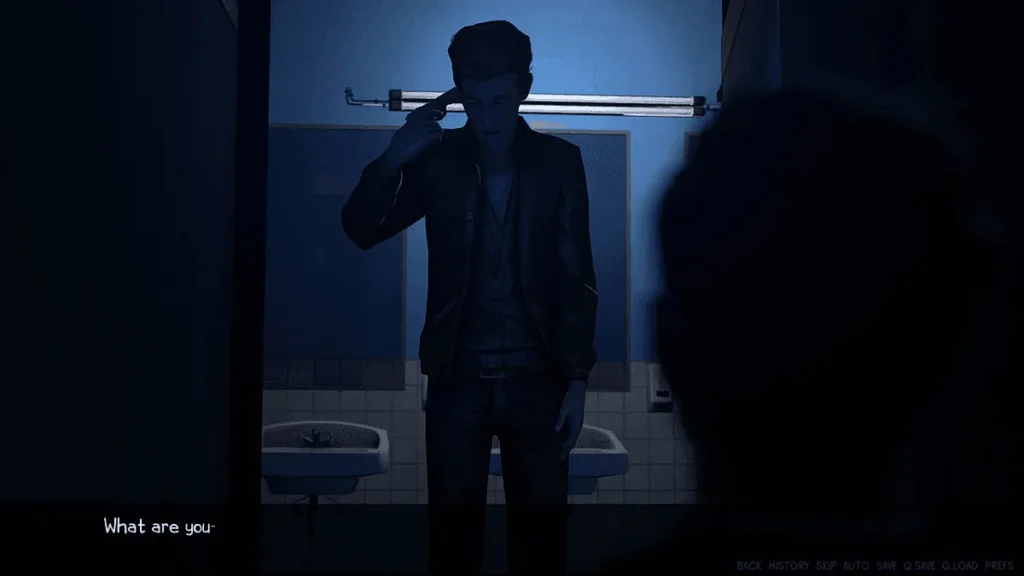
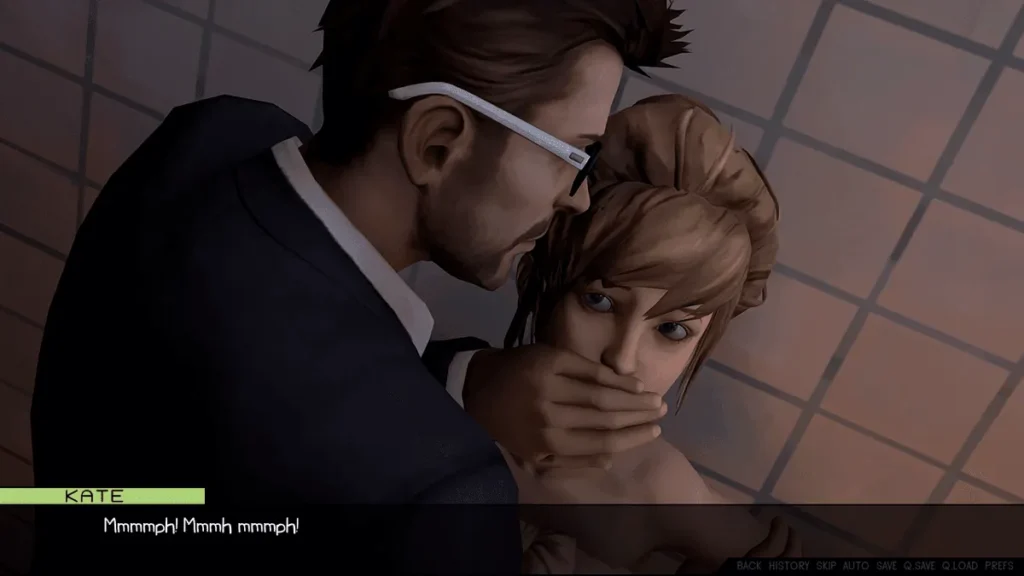

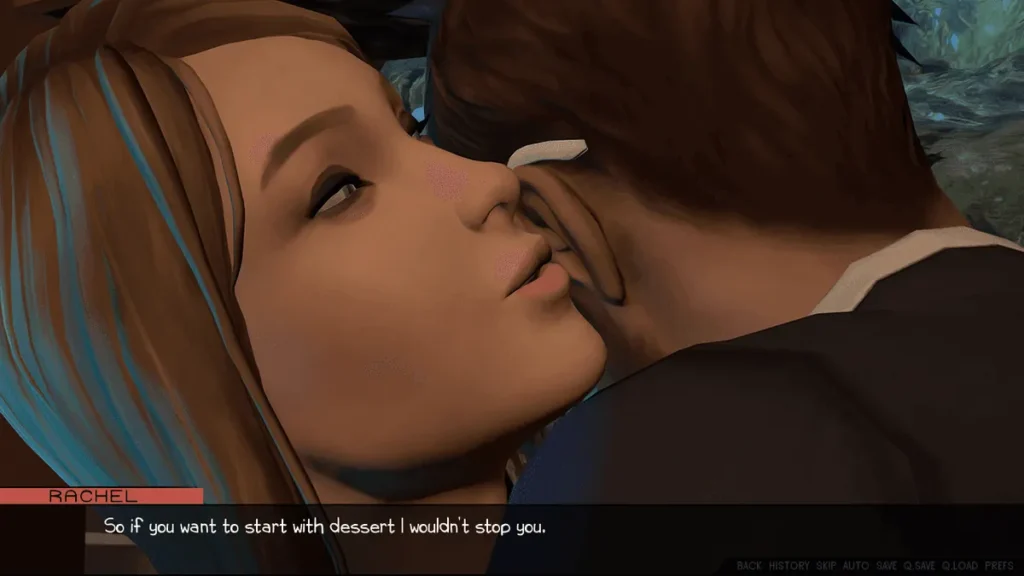
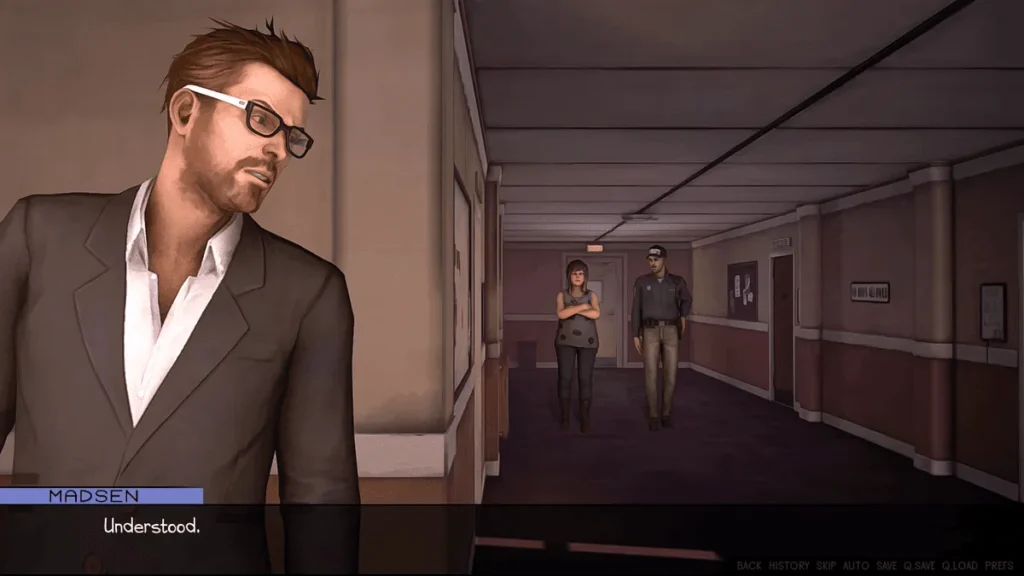
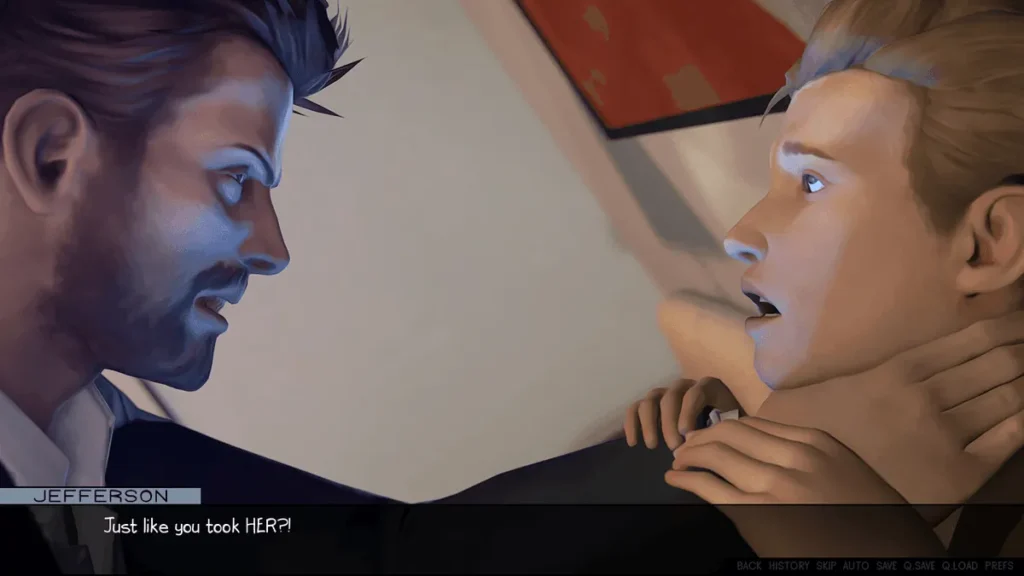

Strange Nights review
A practical, story-first guide to Strange Nights, its main character, powers and branching paths
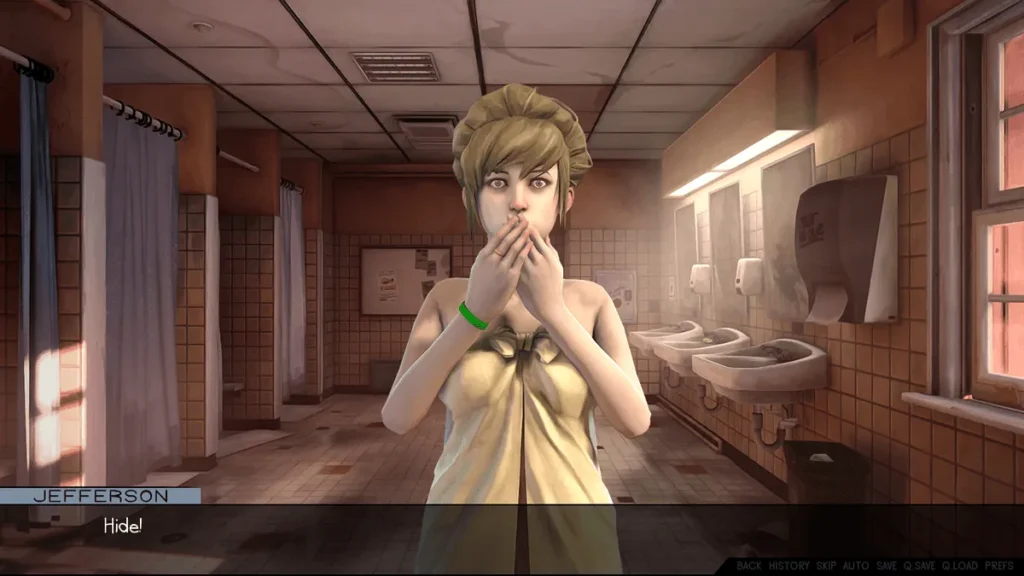
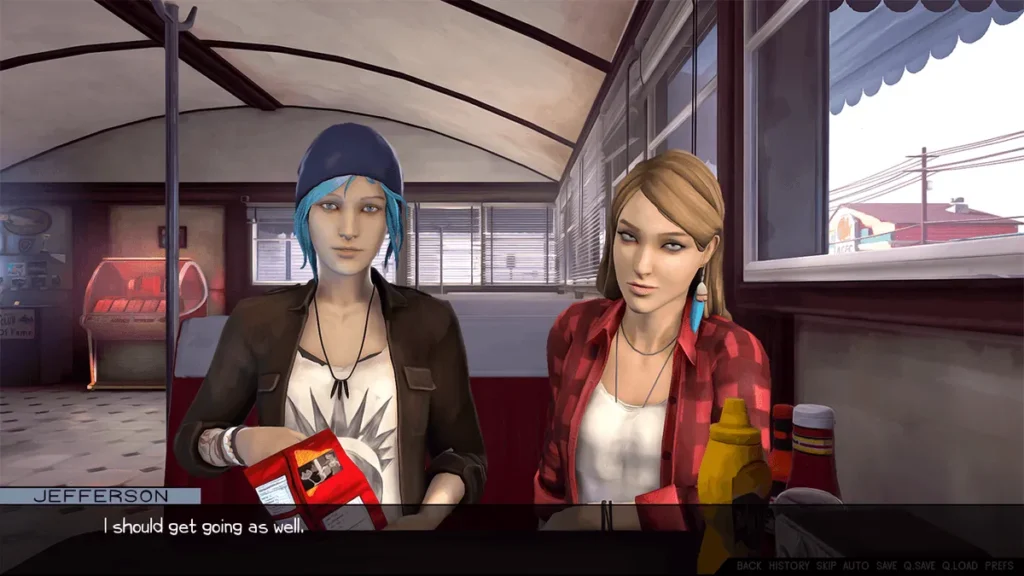
Strange Nights is a 3D story-driven game where you step into the shoes of Mark Jefferson, a photography teacher who suddenly gains mysterious abilities that let him change his destiny and the fate of people around him. Players searching for Strange Nights usually want to know what makes this game different, how deep the narrative really goes, and whether the choices actually matter. In this guide, I’ll walk you through the core story premise, how the choice system works, and what it feels like to play, mixing my own experience with practical tips so you can decide if Strange Nights deserves a spot in your library.
What Is Strange Nights and Why Did It Capture So Much Attention?
Ever stumbled upon a game that feels like a secret? 🤫 Something compact, maybe a little rough around the edges, but with a premise so gripping it just won’t leave your head? That, for me and many others, is Strange Nights. It’s not the biggest or longest game out there, but it captured a specific kind of lightning in a bottle—a mix of personal drama, supernatural intrigue, and the eternal question of “what if?”
If you’re curious about this hidden gem, you’ve come to the right place. This isn’t just a dry Strange Nights overview; it’s a practical, story-first guide from someone who’s walked its branching paths. We’re going to unpack the heart of the Strange Nights game: its unforgettable setup, the unique systems that drive its story, and why, despite its brief runtime, it continues to spark conversations. Consider this your friendly map to the world of Mark Jefferson Strange Nights.
Who is Mark Jefferson and what is the setup in Strange Nights?
So, what is Strange Nights at its core? Imagine a 3D narrative game that feels less like a traditional title and more like the intense first episode of a prestige TV drama. You step into the worn-out shoes of Mark Jefferson, a photography teacher at a university. But here’s the kicker—you don’t start at the beginning of his story. You start at what seems like the bitter, miserable end.
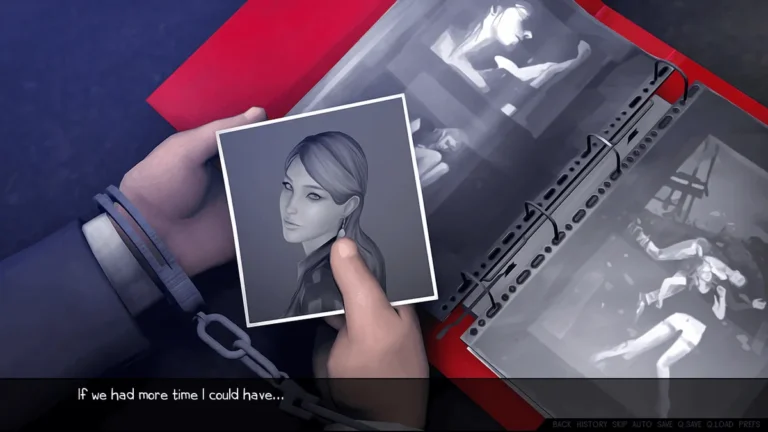
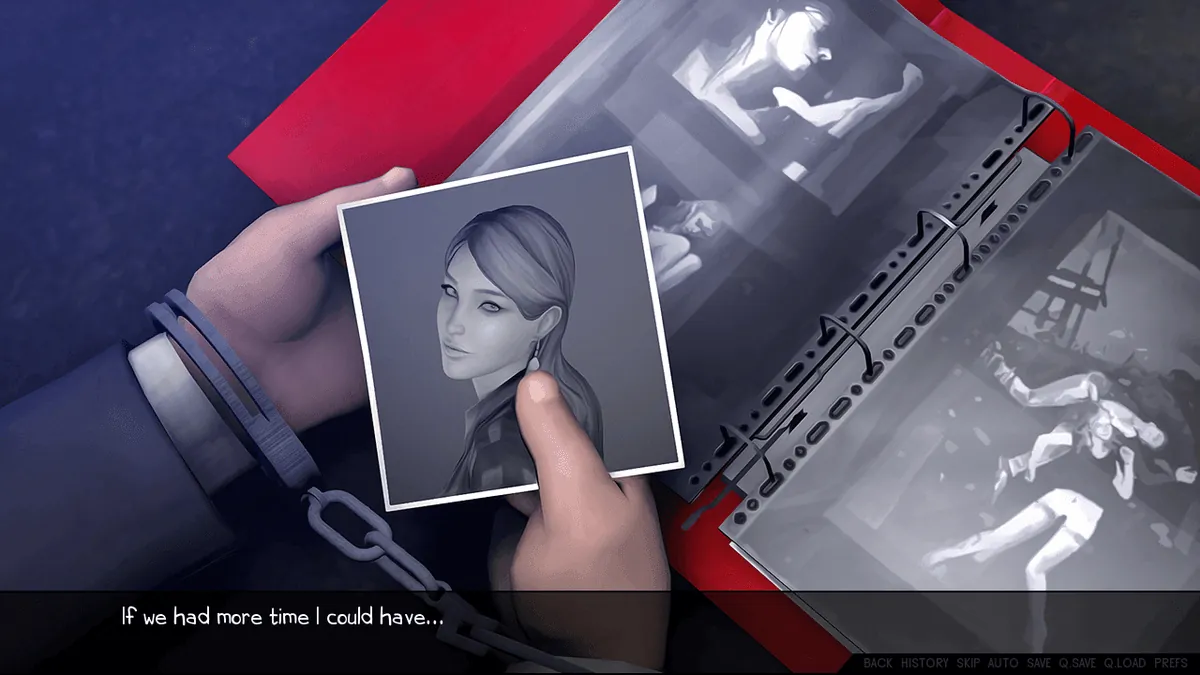
The game opens with Mark in a jail cell, his life and career in ruins, convicted for a crime he is adamant he didn’t commit. The despair is palpable. Then, in a dizzying twist, he’s ripped from that moment and thrown back in time. He wakes up disoriented, back in his own bed, at a point just before the series of events that would ultimately destroy him. It’s a classic “second chance” premise, but with a crucial, mysterious edge: he wakes up with strange, nascent abilities whispering at the edges of his perception.
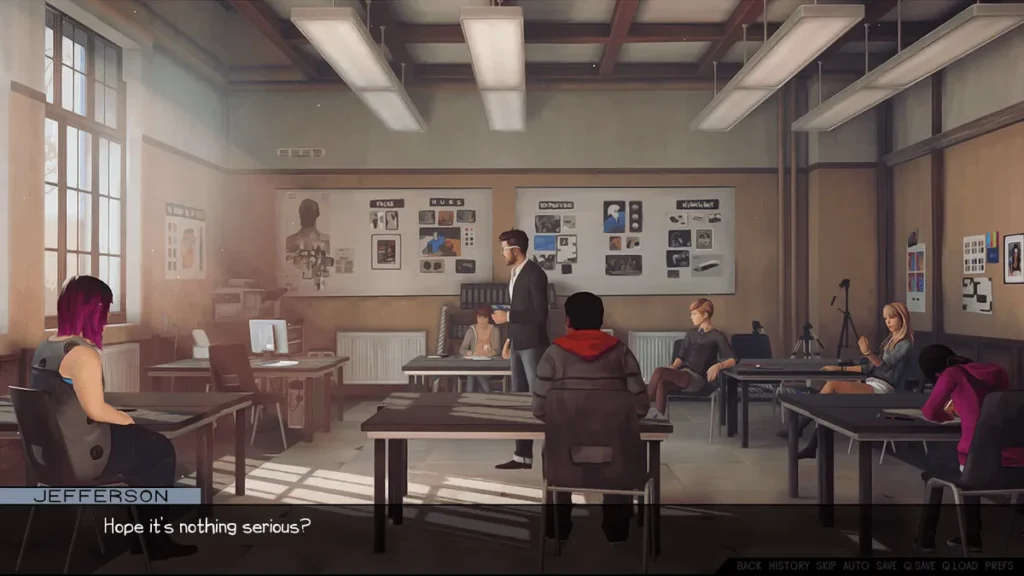
This is the brilliant hook of the Strange Nights story. You’re not just reliving days on campus; you’re replaying them with the awful foreknowledge of how they could end and the faint, terrifying hope that you can change it. Most of the game unfolds in this academic setting—in classrooms during tense lectures, in corridors buzzing with student gossip, and in quiet offices filled with unspoken tensions. The drama revolves around Mark’s complicated connections: his relationships with students, his dynamics with colleagues, and the shadow of the accusation that once loomed over him.
I remember my first playthrough, fumbling through an early classroom scene. A student was being unfairly targeted, and the old, defeated Mark in me wanted to stay silent to avoid trouble. But that new, tingling sensation—the game’s way of hinting at his awakening Strange Nights powers—prompted me to choose differently. I intervened, and the entire social dynamic of the room shifted. In that moment, it clicked: this isn’t a game about surviving a drama; it’s about orchestrating it. You’re using your knowledge of the future to plant seeds in the present, desperately trying to grow a different outcome.
How do the strange powers in Strange Nights shape the story?
Mark’s abilities aren’t about throwing fireballs or telekinesis. They’re far more subtle and narratively interesting. Think of them as a form of influence. He can sense the “pressure points” in a conversation or situation and apply a kind of metaphysical nudge. This can mean reversing a snap decision someone just made, redirecting the flow of blame, or opening a dialogue path that was emotionally locked shut before.
These powers are gated by a deceptively simple dual-axis system the community often calls Empathy and Dominance. Every major choice you make subtly feeds one of these two hidden meters.
| Playstyle Axis | What It Represents | Typical Outcome |
|---|---|---|
| Empathy | Choices focused on understanding, de-escalation, and building trust. You listen, you support, you seek peaceful resolutions. | Unlocks paths of collaboration and reveals vulnerable information from others. You build alliances. |
| Dominance | Choices focused on control, assertion, and imposing your will. You command, you intimidate, you cut through noise directly. | Unlocks paths of authority and forces immediate outcomes. You instill fear or respect to bypass obstacles. |
The genius of this system is that it encourages commitment. This isn’t a game where you can be ruthlessly dominant in one scene and a bleeding heart in the next without consequence. Your evolving score opens or closes future options. I learned this the hard way! 🥲
In one playthrough, I’d been meticulously kind and empathetic to build rapport with a key student. Later, when confronted by a manipulative colleague, I wanted to put my foot down and shut them down with a show of force. The game presented the dominant dialogue option… but it was greyed out. My earlier “nice” decisions had so firmly defined Mark’s approach that this tougher stance was now completely out of character—inaccessible. It was a stunning moment of role-playing consequence. The Strange Nights game was telling me, “You built this version of Mark. Now live with his limitations.” It forces you to think about the character you’re creating, not just the immediate puzzle you’re solving.
Why do players still talk about Strange Nights even though it is short?
Here’s the thing about the Strange Nights game: you can likely finish it in about an hour. And yet, years after its release and with no active development in sight, you’ll still find threads asking about it, recommending it, or dissecting its story. Why does such a short experience have such a long shadow?
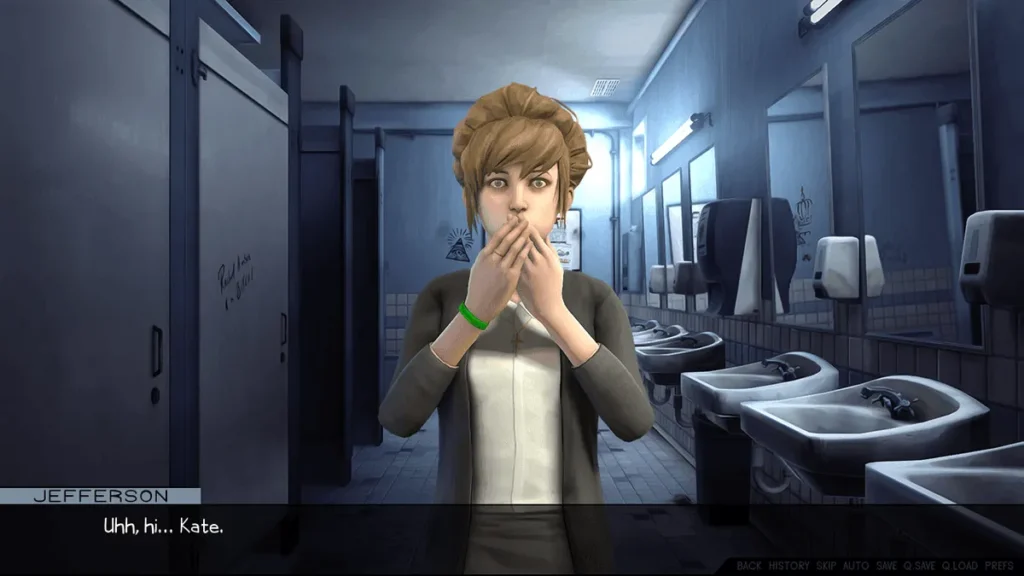
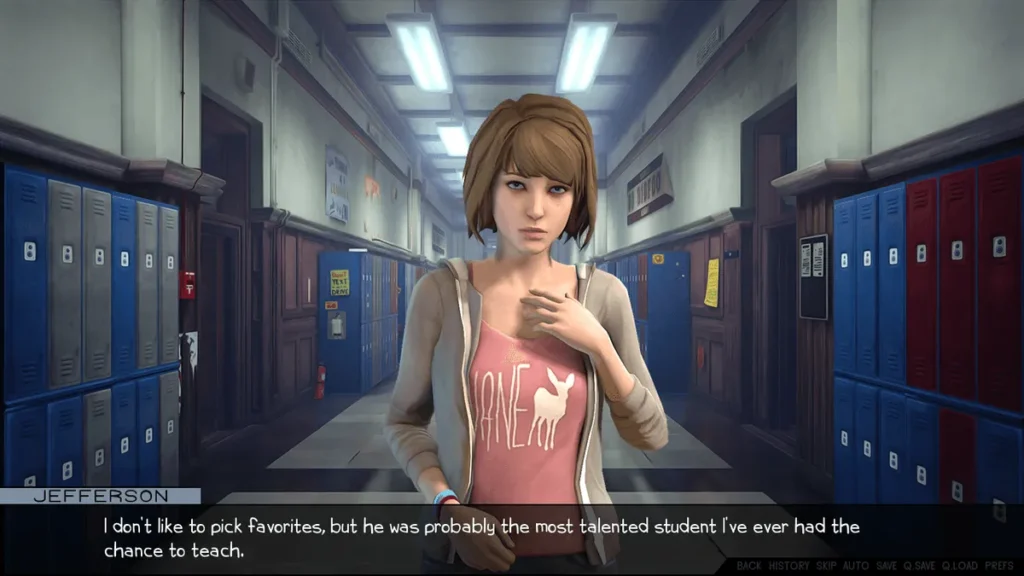
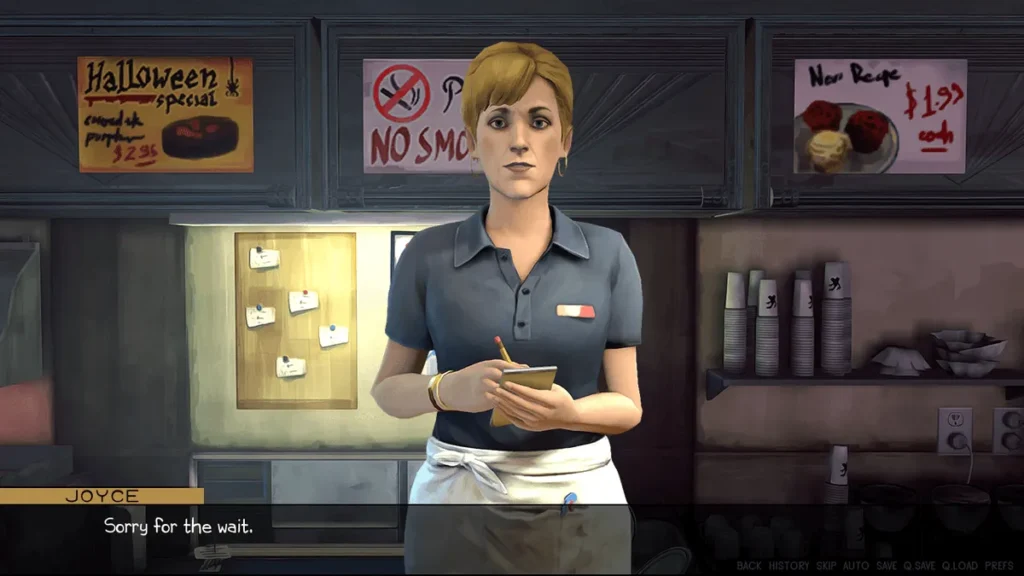
First, it’s polished to a shine for its scope. The 3D models are expressive, the lighting and camera framing are genuinely cinematic, and the voice acting sells the tension. It doesn’t feel like a prototype; it feels like a meticulously crafted pilot episode. You can tell the creators had a powerful vision for the tone—it’s all moody atmospheres and close-ups on anxious glances.
Second, the emotional hook is supremely potent. The fantasy of getting a “do-over” in life, especially from a position of profound powerlessness, is universally compelling. Coupling that with time-bending abilities makes for a fantasy that sticks with you. You finish the game and immediately start thinking of all the other ways you could have nudged a conversation, all the different relationships you could have cultivated. The Strange Nights story is a playground for “what if?” scenarios.
My personal Strange Nights review take? It feels like the brilliant first episode of a series that was tragically never greenlit. You meet fascinating characters, you get a tantalizing taste of a much larger mystery, and the credits roll just as you’re leaning forward, desperate for more.
That “what could have been” factor is a huge part of its lasting appeal. It’s not a disappointment; it’s a testament. The game leaves you wanting more—more story, more time with its systems, more exploration of Mark Jefferson’s fraught world. In an era of endless, bloated open worlds, there’s a strange beauty in a compact, powerful punch of a narrative that knows when to exit stage left, leaving you to imagine the rest of the play. It’s a conversation starter, a curiosity, and for that hour, a completely captivating experience.
A Few Quick Questions You Might Have…
-
How long does Strange Nights take to finish?
Your first playthrough will likely be between 60-90 minutes. Its brevity is a key feature, making it perfect for an immersive evening session. -
Is Strange Nights still being updated?
No, the game is not in active development. What you see is the complete, final experience—a self-contained narrative chapter. -
Is it worth playing despite being short?
Absolutely. If you value strong narrative concepts, meaningful choice systems, and atmospheric storytelling over sheer gameplay length, it’s a must-try. Think of it as playing a high-concept, interactive short film.
Strange Nights stands out because it feels like an intense, self-contained chapter of a much bigger story, centered on Mark Jefferson’s second chance and the weight of every decision you make for him. Even with its short length, the mix of time-twisting powers, campus drama and a clear empathy-versus-dominance playstyle can pull you in and leave you thinking about the paths you did not take. If you like focused, character-driven games that reward paying attention to choices, Strange Nights is worth experiencing at least once and revisiting later to see how different your story can become.