City of Broken Dreamers
Play City of Broken Dreamers
City of Broken Dreamers Screenshots















City of Broken Dreamers review
Explore the noir cyberpunk story, gameplay mechanics, and character relationships in this acclaimed visual novel
City of Broken Dreamers: Book One stands out as a distinctive visual novel that blends compelling narrative storytelling with interactive gameplay mechanics. Players assume the role of Ghost, a skilled bounty hunter navigating a noir cyberpunk world while confronting personal demons. This guide explores what makes this game a standout title, covering its intricate character system, dynamic relationship mechanics, and the choices that shape your journey. Whether you’re interested in the narrative depth, character interactions, or gameplay systems, this comprehensive overview will help you understand why this game has earned recognition within the visual novel community.
Understanding City of Broken Dreamers: Story, Setting & Core Gameplay
Walking into the neon-drenched sprawl of Los Angeles 2047, you’re not a hero. You’re a survivor, a gun-for-hire navigating the space between the obscenely wealthy in their orbital havens and the desperate masses drowning in the city’s underbelly. This is the gripping premise of City of Broken Dreamers, a cyberpunk visual novel that masterfully blends hard-boiled detective fiction with futuristic dread. Your name is Ghost, a bounty hunter protagonist with a cybernetic arm, a haunted past, and a simple code: get paid. But as you’ll quickly learn, in this city, every paycheck comes with a moral tax, and every alley hides a story that can shatter what’s left of your soul. 🕶️
The genius of this choice-based narrative game isn’t just in its stunning, rain-slicked visuals and synthwave soundtrack—though they are phenomenal. It’s in how it makes you feel the weight of the world and every decision you make. I remember my first playthrough, thinking I could just be the cold, professional Ghost. I took the money, ignored the pleas, and focused on the mission. By Chapter 4, I was alone, trusted by no one, and the narrative felt brittle and hostile. The game had reflected my own emotional armor right back at me, and it was a chilling, brilliant revelation. This is a world that doesn’t just react to your choices; it judges you for them.
The Noir Cyberpunk World and Your Role as Ghost
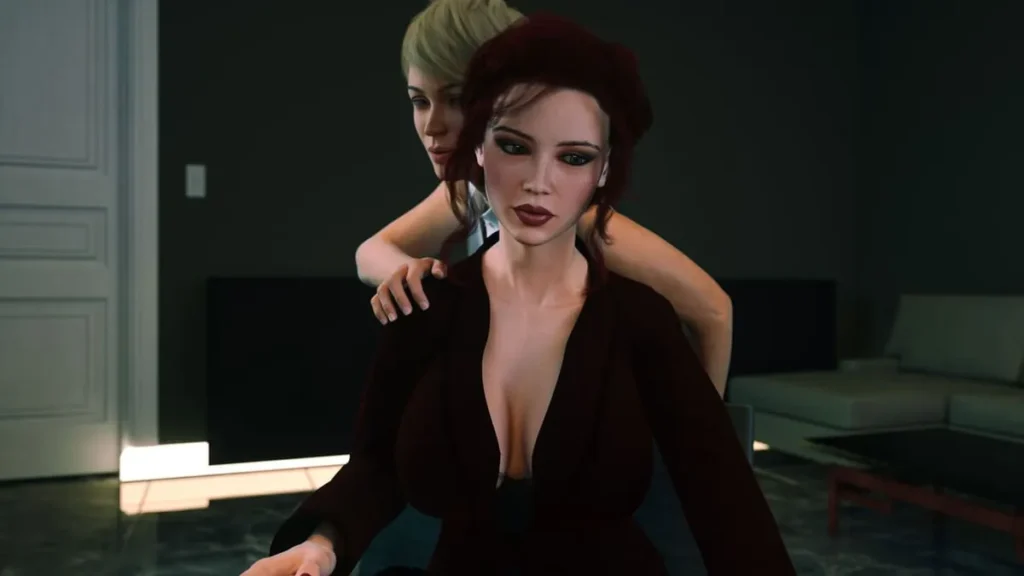
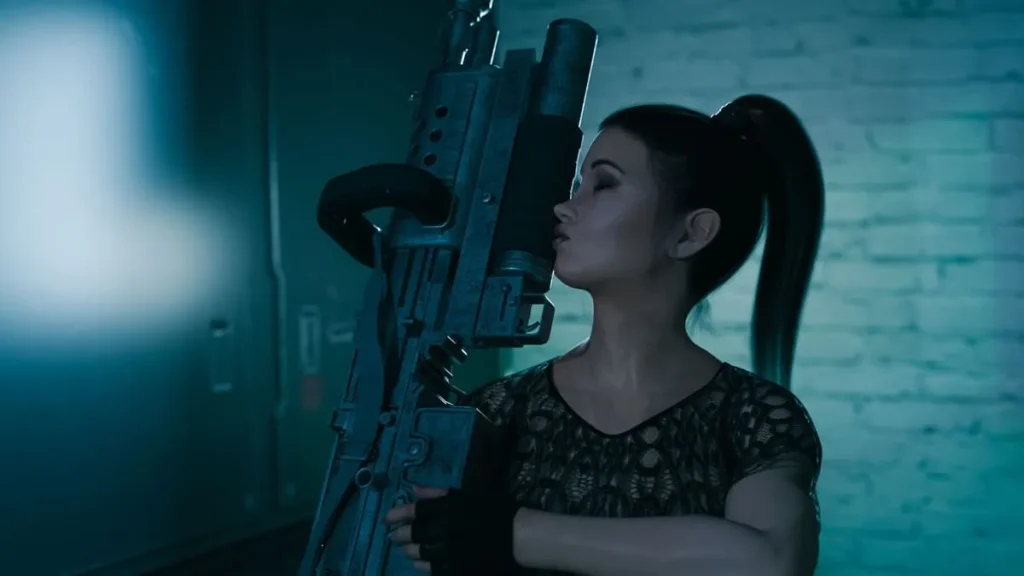
The City of Broken Dreamers story is a classic noir tale dressed in futuristic chrome. You’re hired by the mega-rich Von Brandt family to find a missing scientist, but—shocker—nothing is as it seems. What begins as a simple retrieval job spirals into a conspiracy involving corrupt corporations, rogue artificial intelligences, and black-market bio-tech. The atmosphere is palpable, built through incredibly detailed backgrounds where holographic ads flicker against grimy brickwork, and every character design tells a story of augmentation, fashion, or decay.
As Ghost, you’re the perfect vessel for this journey. You’re not a blank slate; you have a history, a voice (excellently performed), and a simmering cynicism. Yet, the game leaves enough space for you to define his core. Is he the mercenary who clings to a few remaining shreds of honor? Or is he a pragmatic survivor willing to do whatever it takes, even if it means sacrificing others? This role defines the entire City of Broken Dreamers gameplay experience. You’ll interact with a cast of colorful, dangerous, and deeply vulnerable characters—from fellow hunters and streetwise fixers to the mysterious women connected to the case.
Your decisions in dialogue and action directly shape these interactions and the plot’s trajectory. The game doesn’t have traditional “action” gameplay; the action is in the conversation, the investigation, and the alliances you choose to forge or break. The City of Broken Dreamers excels at making you pore over every dialogue option, wondering which thread will lead to a vital clue, a new ally, or a sudden, violent end.
Character Relationship System and Interaction Mechanics
This is where the heart of the game truly beats. City of Broken Dreamers features a sophisticated relationship stat system that goes far beyond simple “like/dislike” meters. Each major character, particularly the key women you meet, has two primary tracked values: their Score and their Lust value. Think of the Score as a measure of trust, respect, and emotional connection. The Lust value represents attraction, chemistry, and the potential for physical intimacy. These values are hidden, revealed only through fan-made guides or careful experimentation, which adds to the realism—you can’t just game the system; you have to read people.
But here’s the crucial part: these stats are gatekeepers. 🗝️ Reaching certain thresholds with a character unlocks exclusive scenes, alters their dialogue with you, and opens up new narrative branches. A high Score with a character might lead them to share a critical secret or come to your aid in a crisis. A sufficient Lust value might unlock a romantic or intimate scene, which in this game is never just gratuitous; it’s a narrative beat that deepens the connection and reveals character vulnerability.
Let me break it down with a practical example from my own saves. In one playthrough, I consistently supported a character named Katie, choosing empathetic and protective dialogue. Her Score got high, and her Lust value slowly built through flirty, confident choices. This unlocked tender, character-driven scenes that felt earned and meaningful. In another run, I was more aggressive and transactional with her. Her Score stagnated, and even with a moderate Lust value, the scenes that unlocked felt colder, more distant, or didn’t happen at all. The game’s visual novel character relationships are a delicate dance, not a simple checkbox.
To visualize how these mechanics interlock, here’s a breakdown:
| Character Stat | What It Measures | Primary Influence | Example Outcome |
|---|---|---|---|
| Score | Trust, Respect, Emotional Bond | Choosing supportive/helpful dialogue, keeping promises, sharing vulnerable moments. | Unlocks plot-critical information, triggers life-saving interventions, leads to deeper emotional confessions. |
| Lust Value | Attraction, Physical Chemistry, Desire | Choosing flirty/confident dialogue, engaging in playful banter, successful romantic advances. | Unlocks intimate scenes, leads to more physically affectionate dialogue, can alter the tone of the relationship. |
| Hidden Anger | Protagonist’s Internal Rage | Choosing violent/aggressive dialogue, using intimidation, failing to de-escalate situations. | Unlocks unique, often brutal, dialogue options; can lead to more violent story resolutions; pushes relationships toward conflict. |
There’s a third, often-overlooked mechanic: Ghost’s own hidden anger stat. This isn’t tied to any other character but simmers within you. Choosing aggressive, threatening, or cynical options doesn’t just affect others; it changes you. Let this anger build, and you’ll find new, often brutally direct dialogue choices appearing. It’s a fantastic way to roleplay a Ghost who’s slowly losing his grip on his professional detachment, letting the city’s cruelty infect him.
Pro Tip: Don’t try to max out every relationship in one go. This isn’t that kind of game. Commit to a persona. Are you the charming protector, the ruthless pragmatist, or the angry cynic? Your consistency will lead to the most coherent and satisfying narrative arcs for the visual novel character relationships.
How Choices Impact Your Story Progression
The phrase “your choices matter” is thrown around a lot, but in City of Broken Dreamers, it’s the foundational code of the experience. This is a truly choice-based narrative game where branching isn’t an illusion. Early, seemingly innocuous decisions can close off entire chapters of content with certain characters or open up parallel storylines you wouldn’t see otherwise. The game boasts a remarkable number of unique renders and scenes, meaning the developers committed to making these branches visually distinct, not just textually different.
The City of Broken Dreamers gameplay loop is a constant cycle of investigation, conversation, and consequence. You’ll often be presented with dilemmas that have no clear “good” answer. Do you hand over a vulnerable person to a powerful corporation for a hefty payday and a potential alliance, or do you hide them and make a dangerous enemy? The game doesn’t penalize you morally; it simply changes the landscape of your story. The ally you gain in one path might be the antagonist in another.
Here are the key mechanics that drive this system:
- The Anger Mechanic: As mentioned, Ghost’s internal state unlocks specific paths. A calmer Ghost might negotiate a peaceful exit; an angry Ghost might have the option to start (and win) a fight.
- Relationship Tracking: Your standing with each character acts as a key. Certain doors in the narrative will only open if you have a high enough Score with the right person.
- Choice Consequences: Decisions often have delayed effects. A favor you agree to in Chapter 2 might come back as a demanding request or a crucial rescue in Chapter 8.
- Scene Unlocking System: The game’s gallery is filled with scenes that are only accessible through specific, sometimes very narrow, relationship and plot choice combinations, encouraging replayability.
This structure makes every playthrough feel personal. My “canon” run is where I played Ghost as a weary man trying to reclaim some lost honor, protecting those he could. It led to a bittersweet, emotionally resonant conclusion with a small group of loyal companions. A friend of mine played him as a self-serving opportunist, and his ending was wildly different—more materially successful, but profoundly lonely. That’s the magic. The City of Broken Dreamers story you get is your story.
The value proposition here is immense. For the price of a standard game, you get a cinematic, dozens-of-hours-long experience with AAA-quality visuals (the lighting and character models are stunning), a pulsating original soundtrack, and enough narrative branches to justify three or four full replays. It respects your intelligence as a player, presenting complex characters whose intimate scenes are extensions of the plot and character development, not distractions from it.
Ultimately, City of Broken Dreamers is more than a game; it’s an exercise in narrative role-playing within one of the most authentically grim and beautiful cyberpunk worlds ever rendered. It asks you who you want to be when the chips are down and everyone is out for themselves. Your relationships are your most valuable currency and your biggest liabilities. So step into the rain, adjust your coat, and remember: in the City of Broken Dreamers, every choice is a contract, and every connection leaves a scar. 🏙️💔 Your story is waiting.
City of Broken Dreamers: Book One delivers a compelling experience that resonates with players seeking meaningful narrative alongside interactive storytelling. The game’s strength lies in its combination of well-crafted character relationships, consequential choice systems, and atmospheric noir cyberpunk setting. The hidden anger stat and relationship scoring mechanics create depth that encourages multiple playthroughs to explore different narrative paths. With its investment in visual presentation, character development, and emotional storytelling, the game offers substantial value for players interested in narrative-driven experiences. Whether you’re drawn to the intricate character interactions, the branching story paths, or the immersive cyberpunk world, City of Broken Dreamers provides a rich experience that has earned its place among notable visual novel titles.