The Theater of Sinners
Play The Theater of Sinners
The Theater of Sinners Screenshots












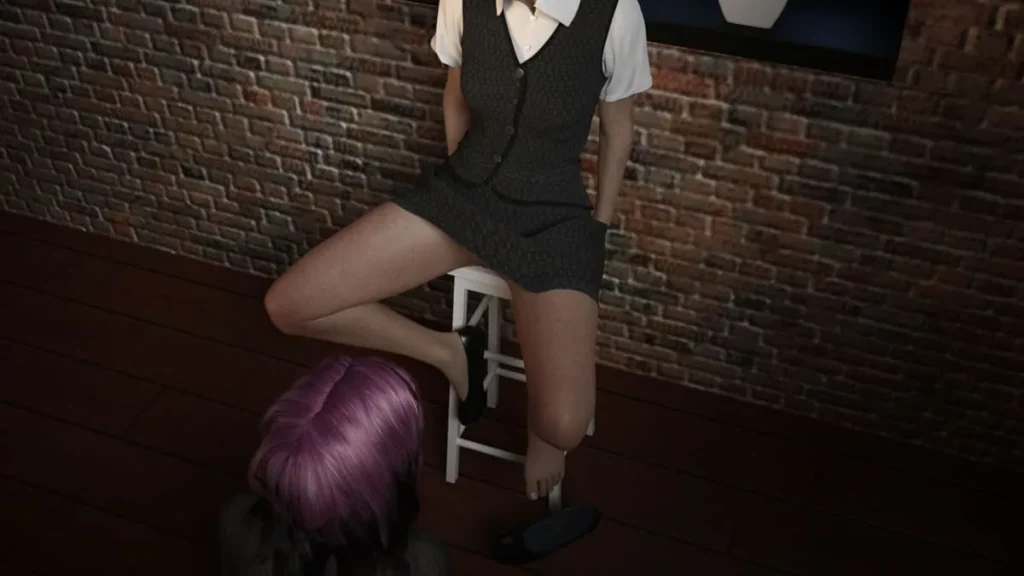

The Theater of Sinners review
Dive into the twisted tales of corruption and choice in this gripping Ren’Py game
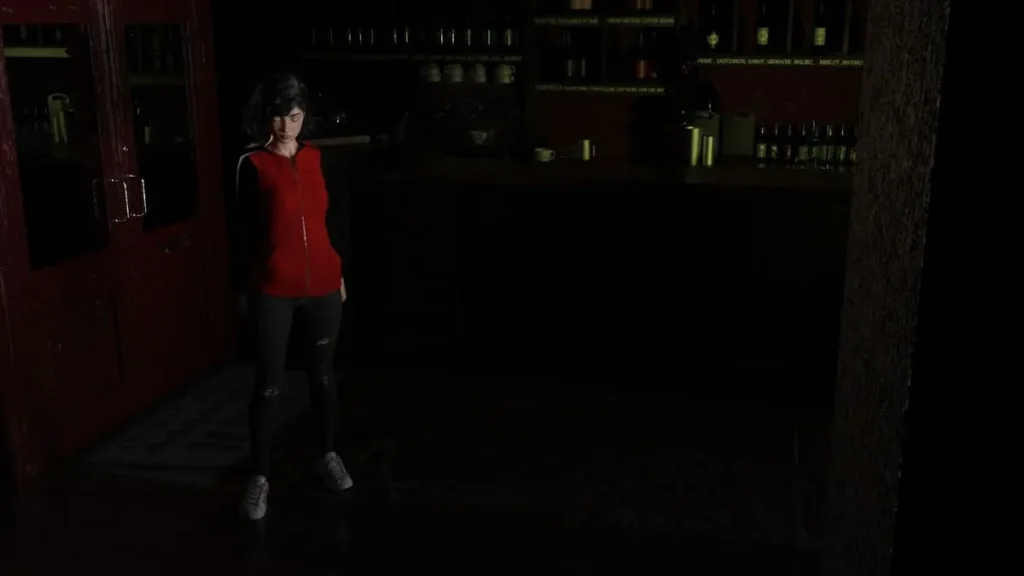
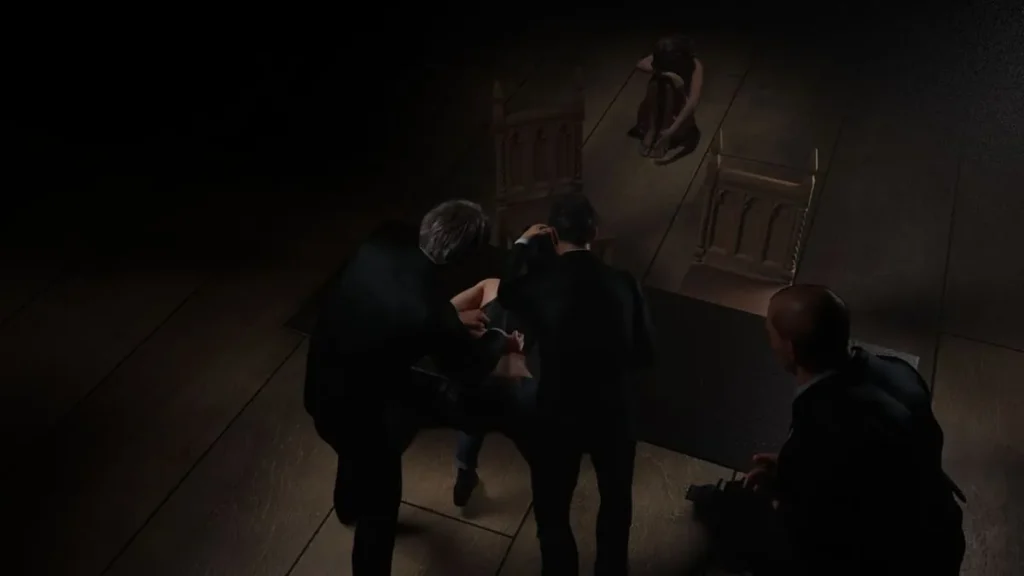
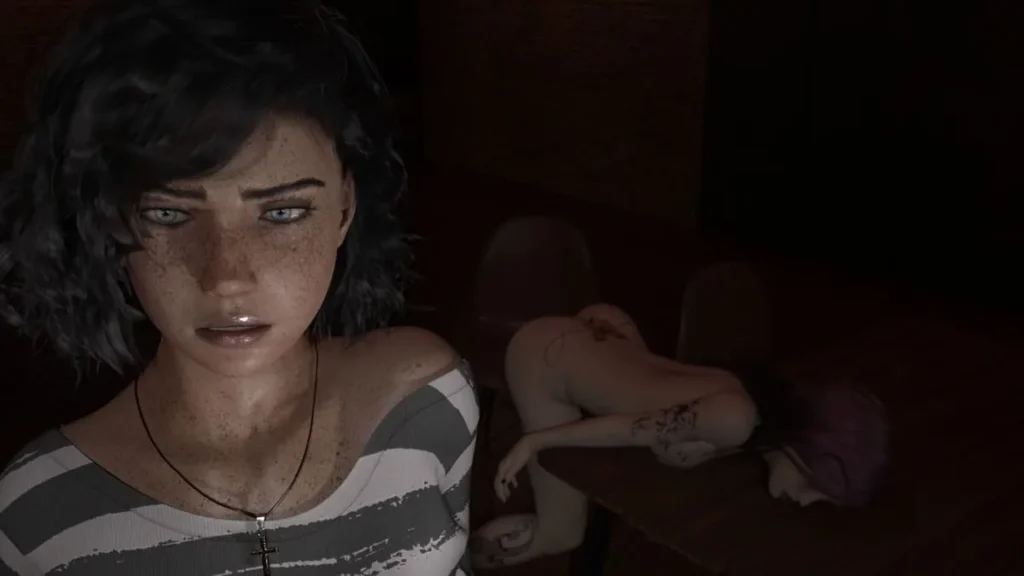
Imagine stumbling into a shadowy theater where every curtain hides a sin, and your choices script the darkest fates. That’s The Theater of Sinners, the Ren’Py visual novel by JustXThings that’s captivating players with its raw exploration of humiliation, corruption, and blurred morals. Version 0.3 Alpha 1 pulls you into the lives of protagonists like Paula and Rebecca, as they grapple with abuse, deviance, and redemption amid a cast of flawed souls. I first loaded it up late one night, expecting light thrills, but hours later, I was hooked on the psychological depth and branching paths. This guide unpacks everything from Theater of Sinners narrative to gameplay tips, helping you navigate its haunting world.
Unveiling the Core of The Theater of Sinners Storyline
I remember the exact moment the floor dropped out from under me. I was navigating a tense conversation with Paula, thinking I had a handle on her troubled yet privileged world, when a sudden, brutal flashback tore the curtain right back. 😱 It wasn’t just shocking—it recontextualized everything. That’s the power of The Theater of Sinners narrative. It doesn’t just tell you a story; it meticulously dismantles your assumptions, revealing the rotten foundations its characters are built upon.
This isn’t a linear tale of good versus evil. It’s a complex web of interleaved stories where past trauma violently informs the present. The game’s structure masterfully uses flashbacks not as simple exposition, but as emotional gut-punches that force you to constantly reassess who these people are and how they became so profoundly broken. You don’t just follow the Theater of Sinners storyline—you piece it together from fragments of memory, each one darker than the last.
What Makes the Theater of Sinners Narrative So Addictive? 🎭
The addiction comes from the game’s refusal to offer easy answers. You’re drawn into a world of profound moral ambiguity, where every choice feels stained. The narrative unfolds across the lives of four protagonists, each trapped in their own cycle of damage. We witness abuse, the seductive pull of sadism and masochism, and relationships built on terrifyingly twisted dynamics of control and submission.
At the center of this storm is the Grand Théâtre des Ombres (The Grand Theater of Shadows). This isn’t just a setting; it’s the core metaphor for the entire experience. 🏛️ It represents the stage upon which these characters perform their sins, the darkened auditorium where their deepest shames are both hidden and spectacularly displayed. The Theater of Sinners corruption themes are the main act here, exploring how power, circumstance, and pain corrupt from the inside out, making monsters out of victims and victims out of monsters.
Practical Tip: Don’t rush the dialogue. The psychological horror in Theater of Sinners lives in the subtext—the hesitation before a lie, the specific word chosen to inflict pain, the loaded silence after a cruel joke. Savor these moments. Read between the lines, because the truth is often hiding there.
Key Protagonists: Paula and Rebecca’s Twisted Journeys
The heart of the Theater of Sinners storyline beats in the chests of its two central female characters, whose paths are studies in devastating contrasts.
Paula is the daughter of a powerful, respected figure. On the surface, she has everything—yet she possesses nothing of her own. Her story is a brutal descent, sparked by relentless bullying from teen delinquents. This isn’t simple peer pressure; it’s a campaign of humiliation designed to break her spirit and mold her into their image of deviance. Watching Paula Theater of Sinners navigate this is heartbreaking, as you see the flickers of her former self get snuffed out by cruelty and a desperate, twisted need to belong somewhere, anywhere.
Then there’s Rebecca. Her origin is the polar opposite of Paula’s. Raised by an addict mother and a viciously abusive step-father, her childhood was a masterclass in survival. The tragic irony of Rebecca Theater of Sinners is that in her fight to escape, she internalizes the very brutality she loathes. She becomes what she hates, wielding the tools of her abusers as a means of control and self-definition. Her journey forces you to ask: when you’re forged in a furnace of pain, can you ever be anything other than a weapon?
- Cycle of Pain: Actions beget trauma, which begets more destructive actions.
- Weight of Guilt: Characters are haunted by their pasts, their guilt manifesting as self-harm or further aggression.
- Character-Driven Plot: Every story beat emerges directly from the characters’ deep-seated psychological wounds.
These core themes are the engine of the entire Theater of Sinners narrative.
How Moral Ambiguity Shapes Your Playthrough ⚖️
This is where the game truly shines. Moral ambiguity in Theater of Sinners isn’t a feature; it’s the entire playing field. You are never presented with a purely “good” option. Every choice is a compromise, a lesser evil, or a step down a darker path. Will you protect one character by betraying another? Can you show kindness without it being perceived as weakness and exploited?
The choices feel human and consequential because they’re rooted in flawed, desperate psychology. You’re not choosing between “Paragon” and “Renegade.” You’re choosing between survival and integrity, between revenge and emptiness, between different shades of compromise. This makes your playthrough intensely personal. My Paula, shaped by the choices I made for her, will be fundamentally different from yours.
As the developers have noted, their focus is on “telling a dark story that explores difficult kinks like abuse, sadism, and twisted romance, not as titillation, but as windows into fractured minds.” This intention is felt in every grim choice.
This relentless psychological horror in Theater of Sinners doesn’t come from jump scares. It’s the dread of watching someone you guide make a terrible, understandable decision. It’s the horror of recognition—seeing the seeds of real-world trauma bloom into fantastical yet eerily plausible depravity.
To fully experience the Theater of Sinners corruption themes, you must be willing to sit in the discomfort, to make choices that leave you feeling complicit. Your role isn’t to be a hero, but a witness and, ultimately, a participant in the theater’s grim production.
Understanding the dark heart of the narrative is just the first step. How you navigate it—the mechanics of choice, the secrets hidden behind certain paths, and how to survive the emotional whirlwind—is another story entirely. In our next chapter, we’ll move from the stage to the director’s chair, breaking down the essential mechanics and choices that will define your unique, and uniquely haunting, journey through this masterpiece of psychological horror.
The Theater of Sinners masterfully weaves humiliation, corruption, and raw human struggle into a visual novel that lingers long after the screen fades. From Paula’s descent into deviance to Rebecca’s battle with her demons, every choice in this Ren’Py gem shapes unforgettable tales of blurred morals and twisted redemption. My own dives into its branches left me rethinking personal boundaries—it’s that immersive. If you’re drawn to psychological depth and branching narratives, grab version 0.3 Alpha 1 now, savor the dialogue, and let the shadows pull you in. Share your wildest playthrough endings in the comments—what path did you carve through the darkness?